

Best Back To School Checklist For Boy Dads
The Ultimate Back to School Checklist for Boy Dads
What’s the secret to surviving back-to-school chaos? A solid checklist.
I share my tips on Modern Dads. After all, if I can wrangle three boys and their endless gear, anyone can!
Sturdy backpacks? Non-negotiable. I like compartments for snacks and homework. Labels are lifesavers.
Clothes ready the night before? Check. Snack station stocked? Double check.
Must-have supplies: durable pencils, notebooks, and a trusty water bottle.
Last September, I found a Lego spaceship made entirely of homework. My son had “organized” his table. Pillager of my sanity, for sure!
But hey, we laughed, and I learned—sometimes, the mess becomes a memory. That’s dad life, right?
Quick Takeaways
- Pack age-appropriate, labeled supplies and organize backpack with daily essentials, snacks, and homework folders.
- Prepare a morning routine checklist including clothes, breakfast, and necessary school items the night before.
- Involve boys in choosing outfits, packing their bags, and setting up their study and activity areas for independence.
- Review safety plans, transportation arrangements, and after-school schedules with your child to ensure preparedness.
- Budget for essential supplies, school clothing, and extracurricular needs while establishing clear boundaries on spending.
Essential Back-to-School Supplies for Boy Dads
Honestly, I’ve learned over the years that there’s nothing worse than scrambling the night before school starts because you’ve forgotten half the essentials.
As a dad, I know the importance of easy locker organization—trust me, nothing’s worse than losing that important note or missing a sock or two. When preparing, think about the school bus ride: pack snacks, a water bottle, and a small backpack with homework.
Teach your son to keep his locker tidy with labeled bins for supplies and sports gear. Simple steps save mornings, reduce stress, and let your boy focus on serving others, not hunting for lost items. While hair care may seem secondary, establishing a consistent hair routine early helps build daily grooming habits that contribute to your son’s overall confidence and self-care skills.
How to Organize Your Boy’s Backpack for Easy Access
After getting all those school supplies sorted and tossed into the backpack, it’s time to make sure everything’s within easy reach—so your boy isn’t rummaging through it like a treasure hunt each morning.
Think about stacking items based on frequency: everyday essentials in the front pocket, special projects in the main compartment. This helps with friendship building—no one likes lost or forgotten homework.
Keep peer pressure in mind: teach Liam to be confident sharing supplies or offering help.
Use small pouches to separate snacks from schoolwork.
Encourage your son to use touchless soap dispensers at school to maintain good hygiene throughout the day and reduce the spread of classroom germs.
Trust me, a well-organized bag saves time and keeps your kid’s focus on friendships, not frustration.
Setting Up a Morning Routine That Gets Everyone Out the Door
Getting everyone out the door on time might feel like herding cats, but a solid morning routine works wonders. Parenting tips? Keep things simple and consistent.
Start by laying out clothes and backpacks the night before—less chaos in the morning. Use a checklist to make sure everyone recalls essentials—lunch, library books, sports gear.
Set a wake-up time that gives you wiggle room. Have breakfast prepped or ready-to-eat so no one’s rushing.
Keep in mind, morning challenges happen, but a predictable rhythm helps everyone feel calmer and less rushed. For blended families, coordinating schedules across multiple households ensures smoother transitions and fewer forgotten items. Trust me, once you nail this, mornings become a lot easier—and maybe even a little fun.
Choosing the Right School Bag for Durability and Comfort
Picking the right school bag can feel like choosing a new car—way more complicated than just grabbing the coolest one. Think durability, comfort, and size—so it lasts all year.
Keep in mind, a good backpack supports your kid’s back, especially when they’re carrying school lunch ideas and books. Check for adjustable straps, padded back panels, and lightweight materials.
Remember to regularly backpack maintenance and cleaning to avoid wear and tear. A plastic desk organizer can also help keep school supplies organized inside the bag for easy access.
Bullet points:
- Look for padded straps and breathable fabric
- Ensure it holds everything without strain
- Choose a size fitting their frame and needs
A well-chosen bag keeps Liam comfortable and lets Emily focus on making friends, not aching shoulders.
Must-Have Clothing Items for Active Boys in School
When you’re trying to keep up with Liam’s latest dance moves or Emily’s soccer adventures, the right clothes can make all the difference—especially for boys who are constantly on the go.
Active boys need versatile, durable clothing like quick-drying shorts, moisture-wicking shirts, and sturdy jeans. Don’t forget sports gear that keeps them safe and comfortable during PE or recess.
Pack healthy snacks for energy boosts and extra layers for unpredictable weather. Keep in mind, clothes should serve their adventures—because the goal is to support kids’ busy days, not slow them down.
Consider using blackout curtain panels in their bedrooms to ensure they get quality sleep needed for a successful school year. Have fun shopping, and think about what truly equips them to conquer the day!
Tips for Buying Back-to-School Shoes That Last
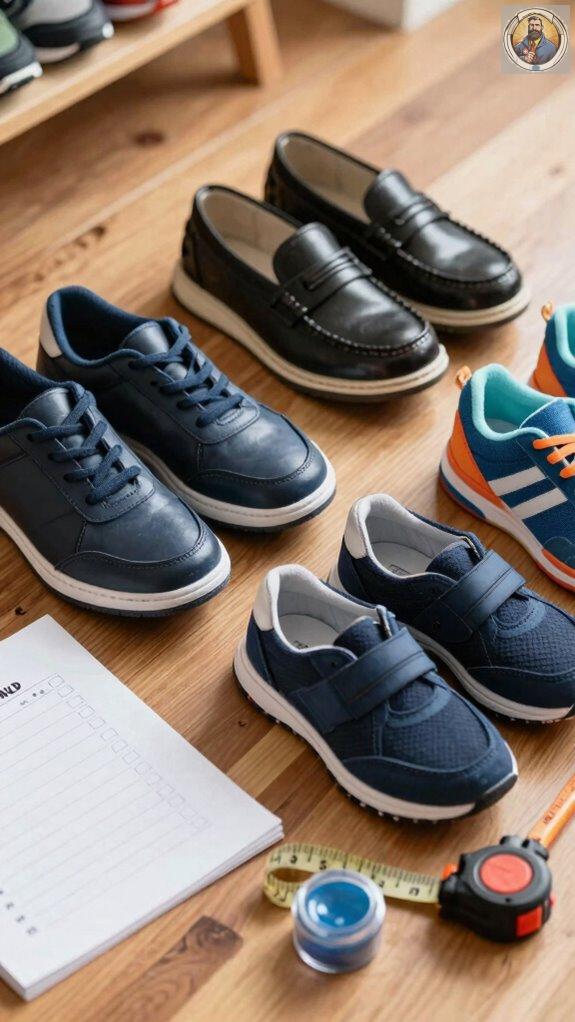
If you’ve ever bought shoes only to watch them fall apart after a few weeks, you know the frustration of wasting money. To avoid that, focus on boys’ fashion that lasts. Look for sturdy soles and quality materials—think leather or tough synthetic fabrics.
Keep in mind, shoe maintenance matters; clean and air out shoes regularly to extend their life. Proper footwear can also contribute to managing school stress by ensuring your preteen is comfortable throughout the day.
- Choose shoes with good arch support
- Check for reinforced stitching
- Opt for adjustable straps or laces for a proper fit
Invest in shoes that can handle rough days, just like our kids do! Lasting shoes make the whole school year smoother for everyone.
How to Set Up a Homework Station at Home
Ever tried helping your kid focus on homework only to realize they’re sitting amidst a chaotic jumble of papers, snacks, and half-eaten erasers? Building a dedicated homework station doesn’t have to feel like a science experiment.
Start by creating decorations—colorful name tags and inspiring posters—to make it inviting. Organize supplies with labeled bins for pencils, notebooks, and chargers.
Keep essentials at arm’s reach, so Liam’s not searching for a highlighter every five minutes. I’ve learned from experience that a tidy, personalized space boosts focus.
Plus, involving your kid in decorating and organizing makes them feel responsible—and maybe even excited to hit the books. A well-organized homework station also builds confidence and resilience, qualities that martial arts mats help develop in children facing social pressures.
How to Stock Healthy Snacks and Lunch Supplies
Stocking healthy snacks and lunch supplies isn’t just about grabbing whatever’s on sale — it’s about making smart, kid-friendly choices that keep energy levels steady and avoid those sugar crashes we all dread.
I’ve learned that healthy alternatives like fruit slices, nuts, or whole-grain crackers work best for snack storage. Think about clear, divided containers that make snacks accessible and appealing to kids like Liam and Emily.
You want to create a system that encourages good habits and makes mornings less chaotic. Teaching kids about managing lunch money helps them understand the value of nutritious choices and makes them more invested in healthy eating habits. After all, healthy snacks aren’t just fuel — they’re about serving others with nutritious options that sustain and delight.
What School Supplies Do You Need for Your Boy?
Add school supply labels to keep everything organized—no more mix-ups or lost items! Backpack personalization, like fun keychains or name tags, makes it easier for your boy to find his stuff and shows he’s proud of his gear. If you’re managing two households, consider keeping duplicate supplies at each location to avoid the morning scramble.
Recall, a well-stocked, personalized bag boosts confidence and readiness, making mornings smoother for both of you!
How to Help Your Boy Organize His School Work
Keeping your boy’s schoolwork organized might seem like herding cats, but trust me, it’s totally doable—and can even be fun! Helping with time management and emotional support makes a huge difference.
- Use labeled folders or binders for subjects, so Liam isn’t digging through a mountain of papers.
- Set a daily schedule, like homework from 4-5 pm, playtime afterward—helps keep him from stressing out.
- Check in emotionally—ask how he feels about his workload, and be patient when he’s overwhelmed.
- Consider adding sensory focus gear to his study space to help reduce classroom sensory overload and improve concentration during homework time.
Choosing Safe and Reliable Technology for School
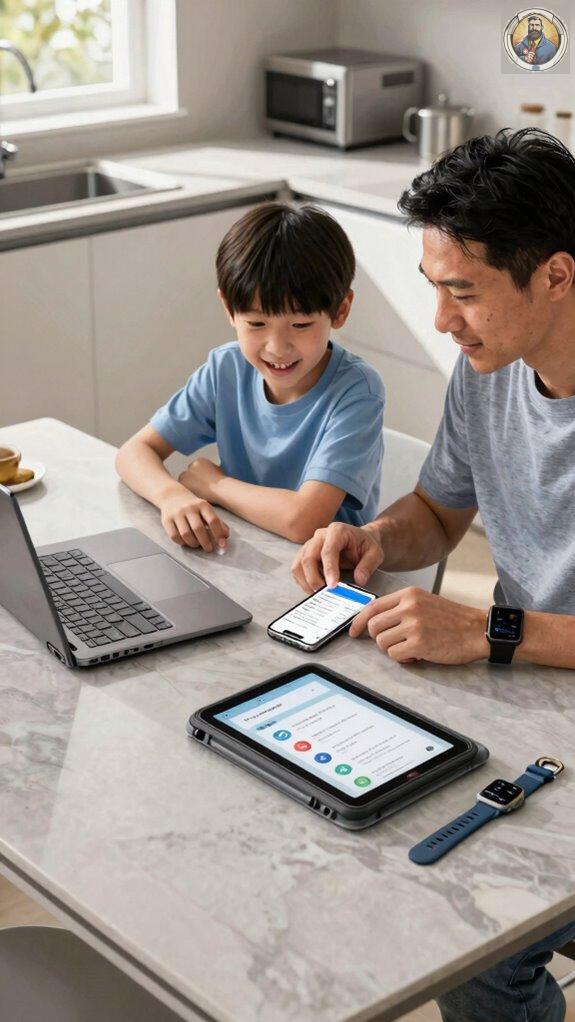
When it comes to picking the right tech for school, wandering into the gadget aisle can feel overwhelming—trust me, I’ve been there.
Parent tech safety is essential, so I learned to follow gadget guidelines that protect my kids. Think about durability, screen time, and secure options.
For example, I chose a kid-friendly tablet with parental controls and a sturdy casing.
Ask yourself: Is this device reliable? Will it keep my boy safe online?
Share with your kid why safety matters—I’ve found Liam listens better when I explain the “why.”
Beyond tech, consider teaching financial responsibility early by introducing minimalist slim wallets to help your son manage lunch money and learn budgeting skills.
Keep in mind, choosing tech isn’t just about gadgets; it’s about serving your child’s future.
What to Pack in an Emergency Back-to-School Kit
After sorting out the tech gear, it’s time to get serious about surprises—because, let’s face it, life doesn’t always follow the script. An emergency kit helps keep our kiddos safe and calm, even during chaos. Think beyond paper towels; include items like a small art museum sketchpad for calming down, or a snack that doubles as a quick digital detox. If you’re navigating back-to-school as part of a blended family, coordinating with your co-parent on emergency kit contents ensures consistency across households.
Here’s what I pack:
- First aid kit with essentials
- Non-perishable snacks
- Small, calming activity like a puzzle or drawing supplies
Stuff like these can turn a potential meltdown into a fun break, even when life throws a curveball.
How to Communicate Effectively With Teachers and School Staff
Talking to teachers and school staff might seem intimidating at first—like stepping into a new city without a GPS—but it doesn’t have to be! Effective communication builds a strong parent-teacher partnership, making everyone’s lives easier.
Think of it as teamwork; ask about homework expectations, share perspectives on your kid’s strengths or struggles, and listen actively.
Keep emails polite and to the point—maybe even throw in a quick compliment! Keep in mind, these relationships are about serving your child’s best interests.
Don’t be afraid to ask for a phone call or set up a quick meeting. It’s all about collaboration—your kid’s success depends on it! For students with special needs, regularly tracking IEP progress reports ensures that everyone stays aligned on educational goals and your child’s development.
Developing a Bedtime Routine to Ensure Enough Rest
Getting a good night’s sleep might sound like a no-brainer, but if you’ve ever tried to stick to a bedtime routine with kids, you know it’s more like herding cats—challenging but totally doable with a plan. I’ve learned that consistent bedtime stories and optimizing the sleep environment make a huge difference.
- Use calming stories that help kids unwind
- Keep the room cool, dark, and quiet
- Establish a set time for lights out every night
A well-rounded routine helps Liam and Emily settle down easily, and I sleep better knowing we’ve created a calm, cozy space for them to rest. Beyond the bedroom environment, teaching kids about whistle safety lanyards can also provide peace of mind during school hours and help them feel more secure and confident.
How to Create a Study Schedule That Fits Your Family
Creating a study schedule that actually works for your family might sound about as fun as organizing socks, but trust me, it’s doable—and even satisfying when you see your kid finally understanding math without tears.
Start by identifying peak focus times—maybe Liam’s best during the morning or Emily after outdoor activities. Block out time for homework, creative writing, and recess.
Make it visual with colorful charts or timers, and recall, flexibility is key. Consider using a dry erase family wall calendar to keep everyone on the same page and maintain visibility across your household’s activities.
Use examples from my own family: we switch between indoor and outdoor activities to keep things fresh.
Wouldn’t you love a schedule that balances work and play while serving your child’s growth?
Managing After-School Activities Without Overloading
Managing after-school activities can feel like walking a tightrope, especially when your kid’s schedule resembles an airport runway—full of planes taking off and landing.
The key? Smooth extracurricular scheduling and strong parent-teacher communication.
- Set clear priorities for activities—what truly benefits your kid’s growth.
- Use a shared family calendar to coordinate plans without double-booking.
- Keep open lines of communication with teachers to stay updated on homework and after-school needs.
Incorporating smart morning routine hacks can also help reduce stress and set a positive tone for managing the entire day’s activities.
Trust me, I’ve learned this the hard way—flying blind leads to chaos! Simplify your approach, be proactive, and keep in mind, guiding your kids wisely is what truly counts.
How to Track Important School Dates With a Calendar
Ever try to recall all those important school dates—parent-teacher conferences, field trips, homework deadlines—and feel like your brain’s about to explode?
That’s where a well-organized calendar saves the day.
Time management becomes easier when you mark everything clearly—using stationery hacks like color-coded pens or sticky notes to stand out.
I’ve learned to put dates in my phone AND write them on a wall calendar, so I stay on top.
For families managing multiple households, waterproof luggage tags can help you track when gear needs to move between locations along with your calendar reminders.
Bullet points help:
- Conferences
- Field trips
- Deadlines
Keep your schedule front and center—your kids (and wife) will thank you!
How to Encourage Your Boy to Stay Organized
It’s no secret that convincing a boy to stay organized can feel like trying to herd cats—good luck! But I’ve found that encouraging creativity and promoting teamwork can make a huge difference.
Get him involved in organizing his supplies—color-code his folders or create fun labels together. Use teamwork by setting a daily “cleanup” challenge, turning chaos into a game.
Ask questions like, “Where does this belong?” or “Want to help design your perfect backpack?” When he feels part of the process, organization becomes less of a chore and more of an adventure—trust me, this worked wonders for Liam and Emily!
Consider investing in a magnetic car planner to help manage the busy schedule of balancing school and extracurricular activities throughout the week.
Back-to-School Shopping on a Budget: Tips for Parents
Getting the biggest bang for your buck during back-to-school shopping might sound as challenging as convincing Liam to eat his veggies—almost impossible at first glance. But with a bit of strategy, you can serve your kid’s needs without breaking the bank.
Focus on timeless classroom etiquette, like respectful, kind behavior, and don’t get caught up chasing fleeting fashion trends. Just as a tangle-free hair care routine requires patience and the right approach, smart back-to-school shopping demands planning and intentionality.
*Shop sales and clearance racks first—think durable backpacks and classic sneakers.
*Use coupons or cash-back apps.
*Buy versatile pieces that mix and match.
How to Choose Back-to-School Clothes That Fit and Last
Choosing back-to-school clothes that actually fit and don’t fall apart after one wash might seem like a formidable task, but trust me, it’s totally doable—once you know what to look for. Focus on durability, fabric quality, and fit to guarantee your kid’s comfort and safety.
- Check labels for sturdy materials like cotton blends or durable synthetics
- Try sizes that give room to grow but aren’t too baggy
- Look for reinforced knees or double-stitched seams for longevity
Making thoughtful choices isn’t just about clothes—it’s about building parent-child bonding and school safety measures, too. Keep your son’s hair healthy and manageable throughout the school year with organic leave-in conditioners designed for easy maintenance.
Plus, it saves you from endless wardrobe repairs!
How to Prepare Your Boy Mentally for the New School Year
As a boy dad myself, I know that getting your kid mentally ready for the new school year can sometimes feel like trying to solve a Rubik’s Cube—challenging but totally doable with the right approach.
Building emotional resilience is key—teach him to handle setbacks with calm, like when Liam lost his middle school game but learned from it.
Confidence builds through small wins, like acing a test or making new friends.
Encourage open talk about fears or anxieties, and remind him that mistakes are just part of growth.
If your son has an IEP or educational plan, consider preparing him by discussing how advocating for himself during school meetings can empower him to take an active role in his education.
Think of it as preparing him for life’s rollercoaster—buckle up confidently!
Setting Clear Expectations and Responsibilities at Home
Setting clear expectations and responsibilities at home mightn’t sound as exciting as back-to-school shopping, but trust me, it’s the secret sauce to a smoother year.
Parenting patience and sibling cooperation don’t happen by accident—they need guidance.
- Establish daily routines for chores, homework, and bedtime, so everyone knows what’s expected.
- Clearly define roles, like Liam setting the table or Emily helping with laundry, to promote teamwork.
- Have honest family discussions about sharing space and respecting each other’s stuff, because cooperation is key.
- Teach your kids about protecting student laptops and other valuable electronics to prevent costly damage and replacements during the school year.
Teaching Safety Rules for School and Commuting
Now that we’ve nailed down everyone’s roles and routines at home, it’s time to teach safety rules for school and commuting. Have you ever watched a kid cross the street without looking? Scary, right?
I remind Liam about pedestrian awareness—look both ways, stay on sidewalks, and stay off the phone.
For bike safety, helmets are non-negotiable, and riding in a straight line helps avoid crashes. Teach them to signal turns with their hand and check for cars before crossing driveways.
Simple steps like these serve others and protect our kids. Who wouldn’t want that peace of mind? It’s worth the effort! Beyond physical safety, consider using portable UV sanitizer boxes in backpacks to reduce exposure to classroom germs throughout the school day.
How to Foster Independence in Your Boy’s Routine
Did you know that encouraging your boy to take on small responsibilities every day can work wonders for building his independence? It’s about helping him develop confidence and skills, even when sibling rivalry or summer reading battles distract him. Establishing healthy screen time habits can also support his independence by teaching him self-regulation and balance.
To serve his growth:
- Assign him simple chores, like packing his lunch or choosing his outfit.
- Involve him in decision-making, like choosing his after-school activities.
- Celebrate his progress, boosting his motivation and independence.
How to Manage Parental Stress During Back-to-School Season
Getting through the back-to-school rush can feel like trying to juggle twenty balls while riding a unicycle—welcome to parental chaos! To manage stress, I’ve learned the importance of balancing work and family expectations.
Ask yourself: Are you overcommitting? Can you delegate chores or work tasks? Remember, serving your kids means showing patience rather than perfection.
Take quick breaks, breathe deeply, and keep a punch list of what needs immediate attention. Think about what truly matters—your child’s well-being—over minor glitches.
Keep a schedule, set boundaries, and don’t hesitate to ask your partner, like Sarah, for support. Understanding your child’s sensory needs can also help reduce anxiety about classroom transitions and help you advocate for their success. You’re not alone in this!
Planning Family Activities to Ease the Transition
As the back-to-school chaos settles in, planning fun family activities isn’t just a distraction—it’s a lifesaver. Recall last year’s outdoor camping trip? It created memories Liam still brags about!
You can set up a backyard campout or pack a picnic. Want to mix it up? Try family game nights with classic board games or trivia. These activities help everyone bond and forget about homework or deadlines.
Plus, they show your kids that their happiness and togetherness come first. These shared experiences also provide emotional support during transitions, which helps preteen boys navigate the stress of returning to school. So, why not plan a mini adventure or cozy game night this weekend? Your family will thank you—trust me, it’s the best way to ease the change.
What School Policies Support Mental Health and Well-Being?
Believe it or not, some school policies actually do a lot to support your kid’s mental health—if you know what to look for. Schools promoting peer support and mindfulness exercises create a caring environment.
For example, peer support groups help kids like Liam feel understood and less alone.
Mindfulness exercises, like deep-breathing or short meditation breaks, reduce stress and foster focus.
Tools like affirmation card decks can further reinforce positive self-talk and boost confidence during challenging moments at school.
Encourage schools to implement these strategies—they’re simple but powerful.
Ask teachers about their wellness programs or suggest quiet zones for reflection.
With these policies, students are better equipped to handle challenges—and that’s a win for everyone, especially moms, dads, and kids!
How to Keep Your Boy Engaged During the First Weeks
Starting school is like stepping into a new adventure, and keeping your boy engaged those first weeks can feel like herding cats—challenging but totally doable.
Why not mix things up with outdoor adventures, like bike rides or nature walks? Or get creative with crafts—DIY pencil holders or painted rocks are winners.
You could also try fun challenges, like scavenger hunts around the neighborhood or backyard camping. These activities keep him excited, help develop his curiosity, and turn those first hectic days into meaningful moments.
Before heading to school, consider using calming strategies to help him start the day with a focused mind and positive attitude.
Want him to stay engaged? Be lively, show interest, and maybe even join in—you’re his biggest fan.
Fun and Educational After-School Gear for Active Boys
When I think back to my own days after school with Liam and Emily, I realize just how important the right gear can be for keeping active boys entertained—and maybe even learning something along the way. Fun and educational after-school gear like creative crafts kits or outdoor adventure sets inspired us to explore and learn, all while having fun.
Think nature scavenger hunts, beginner archery sets, or DIY science experiments. These activities turn ordinary afternoons into memorable experiences. For sports enthusiasts, mesh sports ball bags help organize and transport multiple balls for different activities, making it easier to switch between games and keep gear accessible.
Have you tried sports gear that doubles as learning tools? It makes a difference! The goal: keep those energetic boys engaged, active, and maybe even a little smarter.
How to Involve Your Boy in Packing and Preparing for School
Getting your kid involved in packing and preparing for school might sound like pulling teeth, but trust me, it’s one of the best ways to build independence and teach responsibility—without it feeling like a chore.
When Liam helps me pack his backpack, he learns to check for homework, snacks, or sports gear, just like a pro. You can turn this into a mini holiday planning or travel tip session—oral checklists, labeling items, or creating a packing routine. If your boy participates in sports, make sure to discuss gym locker hygiene so he’s prepared for the locker room environment.
- Let your boy pick out his outfit
- Make a checklist for supplies
- Teach him to organize his school bag like a pro
Common Back-to-School Challenges and How to Handle Them
No matter how organized you think you are, back-to-school season throws curveballs—tight pants, missing homework, or morning chaos. One challenge? Ensuring neighborhood safety and planning for extracurricular activities.
Take a moment to review local safety rules, remind your son about safe routes, and maybe arrange a neighborhood playdate for extra supervision.
Don’t forget to map out extracurricular plans early—think sports, clubs, or music lessons—so nothing clashes. Supporting your son’s involvement in these activities also contributes to building self-esteem during these formative years.
I recall forgetting Liam’s soccer practice to find out it was scheduled the next day! Proper planning isn’t just about schedules, it’s about keeping everyone safe and happy all year long.
Organize a Back-to-School Clothing and Supplies Swap
Organizing a back-to-school clothing and supplies swap might just become your new favorite routine—yes, really! Why buy new when you can help others and save money? Invite friends, neighbors, or family to bring gently used clothing and supplies.
Set up stations for clothing swap and supply exchange, making it easy for everyone to browse and choose. Think of it as giving clothes a second life or redistributing supplies before they’re forgotten in a drawer. You can also designate a station for organizing sports gear to help parents prepare their kids for after-school activities.
- Create a drop-off area for donations
- Label sections for sizes and types
- Encourage kids to pick what they need, sharing with others subtly, of course!
Planning Carpool and Transport Options for the School Year
Planning carpool and transport options for the school year might sound about as exciting as watching paint dry, but trust me, it’s a game-changer—you’ll avoid chaos and make mornings smoother.
Carpool coordination involves lining up reliable neighbors or friends, setting clear schedules, and swapping contact info. Think through transportation logistics: who’s driving, when, and where?
I’ve learned from experience that creating a simple chart or group chat helps avoid mix-ups and heatwaves waiting at bus stops. A distraction-free homework space at home also eliminates distractions during after-school study time, making it easier for kids to focus on assignments after getting home from school.
Keep in mind, serving others means making life easier for everyone—so, be proactive. Organize early, communicate clearly, and turn those hectic mornings into manageable routines for your family and your neighbors.
How to Build a Support Network With Other Boy Dads
Building a support network with other boy dads might sound like just one more thing to add to your never-ending to-do list, but honestly, it’s one of the smartest moves you can make. Connecting to share experiences and strengthen bonds creates a team vibe—like having a dad crew.
- Join local Facebook groups or dad meetups
- Organize casual hangouts or game nights
- Support each other during school events or challenges
Think about how I found my “dad squad”—it’s made me feel understood and less alone as I navigate fatherhood. Serving others through shared advice makes us stronger. Your network can also help each other find budget-friendly sports gear for kids’ after-school activities.
Who knew that brotherhood could help tackle the chaos?
Setting Boundaries and Limits on Screen Time
After bonding over shared dad stories and team-building, it’s easy to see how important the little things—like screen time—really are. Setting digital boundaries and screen limits isn’t about banning devices, but guiding kids to use tech responsibly.
For example, I set a daily hour limit—no screens during meals or family time. You can use timers or apps to help, but talk openly about why limits matter. Ask questions like, “How do you feel when you’re glued to your tablet all afternoon?”
Research shows that device usage limits can significantly improve focus and academic performance during the school day. This way, you serve others by teaching balance, not control. Recall, kids need boundaries to thrive, not just rules to follow.
How to Help Your Boy Take Responsibility for His Belongings
When your son’s backpack starts resembling a cluttered disaster zone, you know it’s time to step in and help him take responsibility—trust me, I’ve been there! Keeping his belongings organized isn’t magic, but using chore charts and reminders about tech accountability helps.
For example, set a daily habit for him to pack and unpack his bag, with a checklist he checks off. Encourage him to keep a dedicated spot for his supplies. You might even create a system for his tech gadgets—like a charging station—to prevent endless searches and favorites getting lost!
It’s all about teaching him ownership while making cleanup achievable and even fun. Establishing a daily packing routine will help him develop the organizational skills he needs now and in the future.
Managing Your Child’s Back-to-School Anxiety
There’s nothing quite like the chaos of a cluttered backpack to remind you that your kid’s got enough on his plate already. School supplies are part of it, but anxiety relief is key, too.
I recall Liam’s first day—he looked nervous, so we did a “toolkit” with favorite snacks, a comforting note, and calming breathing exercises.
You can try:
- Deep breathing spots in the classroom
- Establishing a soothing routine before school
- Talking about worries openly
Separation anxiety is a common experience for many children starting school, so knowing that your child isn’t alone can help you both feel more confident about the transition. Kids thrive with reassurance and routines. Remember, serving others means helping them feel safe, prepared, and confident—so, be their calm in the storm.
How to Inspire a Love of Learning in Your Boy
Ever wonder how to turn your boy’s curiosity into a lifelong love of learning? It’s all about making it fun and meaningful. Get involved in parent-child hobbies, like building models or cooking together—these bond you while sparking interest.
Share motivational quotes that highlight the joy of discovery or perseverance—think “The more you learn, the more you grow.” Keep in mind, kids love to see you excited, so show genuine enthusiasm.
When Liam learned about space, we watched NASA videos and built a model rocket. Small steps, real connection, and a bit of humor can ignite curiosity that lasts a lifetime. Consider pairing hands-on activities with AI homework tools to help your son work through challenging concepts at his own pace.
Monitoring Academic Progress and Staying Involved
Have you ever wondered if you’re really keeping track of how your kid is doing in school? Parental collaboration is key—regular check-ins with teachers, star emails, or lunchroom chats help stay in the loop.
Staying involved means more than just asking about grades; it’s about understanding their challenges and celebrating wins. Recall, if you ever receive death notifications or serious concerns, don’t ignore them—address them with empathy and action.
Try weekly updates or a homework chart to monitor progress. Your support shows you care, just like with Emily’s science project or Liam’s soccer game. Being present matters—trust me, they notice. Managing the stress of school season with foam roller massagers can help you maintain the mental clarity needed to stay engaged and present for your children.
Celebrating Back-to-School Milestones Together
Now that you’re in the groove with your kid’s school progress, why not turn those efforts into memorable moments by celebrating milestones together? Celebrating milestones isn’t just about trophies; it’s about recognizing growth and creating traditions that keep you connected.
You could:
- Throw a mini “Back-to-School” party with favorite snacks and a photo booth
- Write a “Milestone Journal” to document every achievement
- Plan a special day out once Liam gets his report card or Emily nails her school project
- Engage in interactive board games as a family to strengthen your bond while celebrating academic wins
These moments remind your kids they’re loved and supported—building memories and values that last a lifetime.
Review and Update Your Back-to-School Checklist Annually
You probably think you’ve got the back-to-school checklist all figured out, but here’s a little secret: it’s not a one-and-done deal. Each year, things shift—garden activities change, holiday schedules evolve—and so should your list.
I’ve learned that reviewing and updating it helps me serve my boys better. Maybe I add new supplies, plan a fall family hike, or include managing school projects. Consider packing duplicate supply boxes to ensure your boys have consistent access to essentials both at home and school. Last year, I forgot Liam’s science fair and scrambled last minute—that was a wake-up call.
Using Online Resources to Support Your Boy’s Learning
Since the internet is practically a treasure trove of learning tools, there’s no reason not to tap into it to help your boy out. Online tutorials and digital resources are fantastic for reinforcing what he learns at school. Want Liam to understand fractions better? Find engaging YouTube tutorials that break it down step-by-step.
Need math activities? Websites like Khan Academy offer free exercises perfect for practice.
- Use online tutorials for tricky subjects
- Explore educational apps and games
- Bookmark helpful digital resources for quick access
Trust me, I’ve seen how these tools boost confidence and understanding—plus, your kid might just enjoy learning!
Final Tips for a Smooth and Successful Back-to-School Transition
Starting on the back-to-school journey can feel a bit overwhelming — kind of like preparing for a big game where you want your team to win but aren’t quite sure if everyone’s on the same page. To facilitate a smooth transition, prioritize parent-teacher communication—contact teachers early, ask about safety measures, and get on the same page about expectations.
Check if the school has updated safety protocols—mask policies, emergency drills, or visitor restrictions. You might even schedule a quick call or email exchange.
If your family juggles multiple households, invest in heavy duty travel duffels to keep school gear organized and easily transferable between locations.
First Lunchbox Packing Moment
There’s a certain thrill (and maybe a tiny bit of chaos) that comes with that first lunchbox packing session — kind of like the grand opening of school lunch season. Do you ever wonder if your kid will eat the snack ideas you carefully pick?
I’ve learned to include some lunchbox creativity—like fun-shaped sandwiches, fruit kebabs, or mini popcorn bags—just to make it exciting. Think about adding a little note or sticker for motivation.
For sensory kids who might find the transition to classroom routines challenging, consider including lavender aromatherapy rollers in their lunch bag or backpack to help them stay calm throughout the day.
Liam’s eyes light up when he finds a new snack idea in his lunch, making me feel like I’ve truly served him. Who knew lunch could be a small act of love?
Back to School Essentials
Getting ready for those first days back at school means more than just packing lunch (though that’s important, too). As a boy dad, I want Liam to excel in school sports and extracurriculars.
So, I pack essentials like sports gear—cleats, a water bottle, and a stopwatch. For activities, I include a notebook, pens, and extra clothes. Keep in mind, it’s not just about what Liam needs, but about showing him we’re there to support his passions.
Did I forget anything? Oh yeah—extra snacks, because even champions get hungry.
When we’re organized, we can focus on helping them shine in everything they do.
FAQ
How Can I Involve My Son in Back-To-School Planning?
You can involve your son by discussing bedtime routines and weekday chores, making him feel responsible and valued. I believe including him in planning encourages independence and a positive attitude towards school, helping him feel prepared and supported.
What Are Eco-Friendly School Supply Options for Boys?
I swear, choosing eco-friendly supplies can revolutionize everything! I love reusable pens and biodegradable backpacks—these small choices empower us to serve our boys and protect our planet with every back-to-school step we take.
How Do I Handle Back-To-School Shopping Surprises From My Boy?
When surprises happen, I stay calm, handling last-minute supply errors by quickly sourcing needed items and managing unexpected school program changes with flexibility. I focus on supporting my boy, easing his worries, and reminding him I’m there for him.
What Safety Measures Should I Teach My Boy About School Commutes?
Visualize their safety as a lighthouse guiding a ship—teach your boy about traffic safety and pedestrian rules, so he can navigate school commutes confidently and responsibly, lighting the way for his journey and others’ safety.
How Can I Support My Boy’s Social Skills During the School Year?
I actively encourage my son in bullying prevention and peer relationship building, fostering empathy and kindness. I listen to his concerns, model positive social skills, and create opportunities for him to develop meaningful friendships during the school year.


