

Best Back To School Checklist For Single Dads
The Ultimate Back to School Checklist for Single Dads
How do I avoid morning madness during back-to-school season? A killer checklist helps me keep my cool!
As a single dad navigating life with Emily and Liam, I write for Modern Dads to share these sanity-saving tips.
The night before, I pack outfits and tech. My “school gear station” holds backpacks ready for action. I also confirm the bus schedules because kids missing the bus is a one-way ticket to chaos. Don’t even get me started on parent-teacher night; it sneaks up like a surprise pop quiz!
One time, I forgot to check Liam’s shoe size. Picture me hunting for his sneakers in a tornado of chaos, while Emily just stood there, giggling. Lesson learned: always check the shoe situation!
Quick Takeaways
- Prepare and organize school supplies, clothing, and essentials ahead of time to ensure a smooth morning routine.
- Confirm transportation plans, bus schedules, and safety protocols for your child’s daily commute.
- Review school deadlines, upcoming events, and important meetings using calendars or apps for timely preparation.
- Maintain open communication with teachers about your child’s needs, progress, and support strategies.
- Establish familiar routines, discuss feelings, and visit school facilities to ease your child’s transition back to school.
Why Single Dads Need a Back-to-School Plan
Have you ever tried juggling a thousand things at once, only to realize you forgot something important? That’s how I felt last year when I overlooked school fashion and classroom technology needs.
As a single dad, I want my kids, Emily and Liam, to feel confident and prepared. A simple plan helps stay ahead—like packing outfit options that fit current trends and ensuring laptops or tablets are charged and ready. Don’t overlook the importance of durable school gear designed to withstand the demands of active kids throughout the day.
Recall, kids pick up on our stress, so a clear plan reduces chaos and boosts their confidence. Trust me, a little preparation for school fashion and tech makes all the difference—less stress, happier mornings!
How to Create a Back-to-School Checklist
Creating a back-to-school checklist might sound as exciting as watching paint dry, but honestly, it’s the secret to a smooth start. Think of it as your superhero mask—keeping transportation safety in check and mapping out academic planning details.
Do you recall when I almost missed Liam’s bus because I forgot his backpack? Lessons learned!
Break it down:
- Confirm bus routes and safety rules.
- List school supplies and schedule shopping trips.
- Organize homework stations.
- Mark important deadlines and parent-teacher meetings.
Consider using AI homework tools to help your kids stay organized with assignments and develop stronger tech learning skills from the start. Being thorough isn’t just about crossing things off; it’s about serving your kids and reducing chaos.
Ready to conquer this? Let’s do it.
Setting a Budget for School Expenses
– Pinpoint your total available funds before even stepping into the store. Budget planning is like a map for school expenses, helping you avoid overspending. Here’s how:
- List out everything—books, supplies, clothing, even lunch money.
- Track your expenses diligently, so you don’t blow your budget halfway through.
- Prioritize essentials—Liam needs new shoes, but Emily’s backpack can wait.
- Use a simple spreadsheet or jar system to stay organized, and always add a little buffer for surprises.
Consider pairing your budget strategy with IEP organizers to manage both school expenses and special education documentation if applicable. Serving others means being ready, not stressed! Having a plan keeps you in control—and your kids’ll thank you later.
How to Choose the Right School for Your Child
Deciding on the right school for your kid feels a bit like trying to pick the perfect pair of shoes—you want something that fits just right, supports their growth, and doesn’t make you want to pull your hair out.
Think about school sports—does your child thrive in team activities, or do they prefer solo pursuits? Extracurricular activities are also key—art, music, robotics? These programs shape their passions and skills.
Consider visiting schools, talking to teachers, and asking about how they support kids’ talents. You might also ask about bag routines and organizational practices that help students develop independence and responsibility. Keep in mind, the goal is a supportive environment where your child can flourish, find excitement, and maybe even make lifelong friends (without losing hair along the way).
Preparing Your Child for a Smooth Transition
Have you ever tried to predict exactly how your kid will react to a big change? Preparing Emily or Liam means setting them up confidently.
- Meal planning: Prepare easy, nutritious breakfasts and snacks to keep energy steady.
- Parenting routines: Stick to familiar routines like bedtime stories or morning hugs—they help create stability.
- Practice visits: Visit the new classroom or meet teachers beforehand—less surprises, more comfort.
- Open talks: Ask how they feel and listen carefully—sometimes they just need to vent about that weird cafeteria food.
- Sports gear organization: Keep their equipment organized and accessible with collapsible trunk organizers so they’re always ready for practice or games without last-minute scrambling.
Recall, patience and preparation matter!
Organizing Clothes and Uniforms for Easy Access
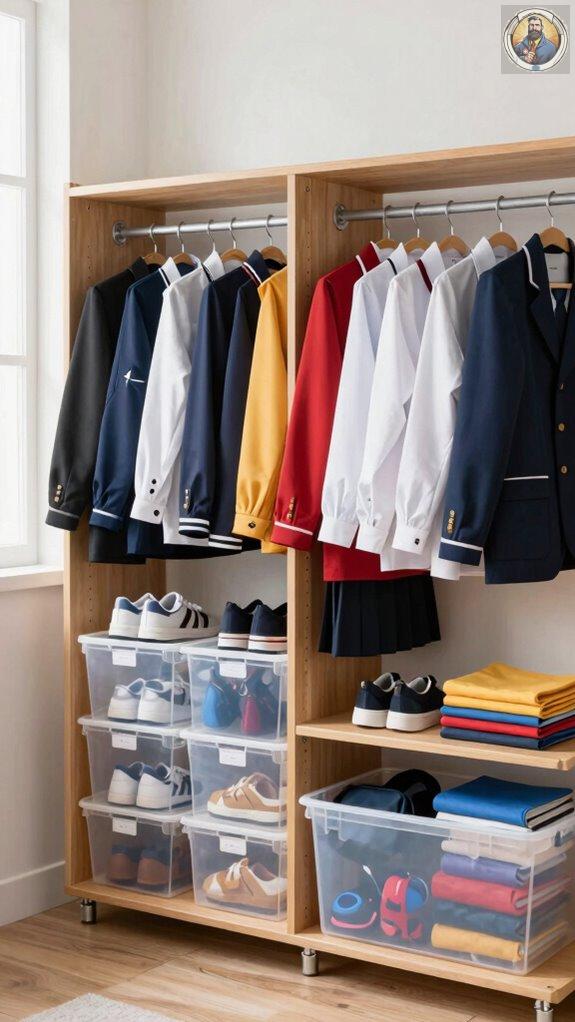
Getting your kid’s wardrobe together mightn’t seem thrilling, but trust me, it’s a total time-saver. I swear by organizing drawers with separate sections — one for socks, another for t-shirts, and a dedicated space for uniforms.
Using color-coded uniforms makes it a breeze; Liam’s blue shirts are always in the left corner, red in the right. It’s simple but effective, especially on busy mornings when you just want your kid to find their clothes without a treasure hunt.
Keep in mind, a little organization shows you care, and your kid feels supported. Plus, it keeps laundry from becoming a mystery quest. Starting this routine before the first day of kindergarten helps establish a habit that reduces morning stress and builds independence in your child.
How to Stock Up on Essential Back-to-School Supplies
- Invest in quality art supplies—colored pencils, markers, glue sticks—for artsy projects.
- Keep extra notebooks and folders for different activities; organization helps kids stay on top of everything.
- Include some fun extras like stickers or stencils for creative crafts, which boost confidence and creativity.
- Keep in mind, thoughtful supplies show your kids you care—making their school year smoother and more enjoyable.
- Consider using a pocket planner to coordinate drop-off schedules and keep track of important school dates and deadlines.
Creating a Homework and Study Space at Home
Ever wondered why some kids sprint through homework while others drag their feet? It’s all about creating study routines and organizing supplies!
I learned this from my experience with Emily—she’s not a fan of chaos. Set up a dedicated spot, maybe a corner with a desk or table, where everything has its place. Use bins, labels, and a good lamp for proper lighting. Keep pencils, notebooks, and chargers handy. Consider investing in plastic desk organizers to maximize your workspace efficiency and keep distractions at bay.
Ask your kid what they need—sometimes, a comfy chair or noise-canceling headphones make all the difference. A tidy, well-organized space makes homework less of a battle—and I promise, it’s worth the effort!
Developing a Weekly Routine for School Days
Once you’ve set up that perfect homework nook, the next step is making sure your kids actually stick to a routine during school days—because even the coolest study space can’t do its magic if everyone’s flying by the seat of their pants.
To create effective homework routines, establish a clear schedule that includes snack breaks and time for school supplies. Here’s how:
- Set a consistent start time each afternoon.
- Create a checklist for homework and studying tasks.
- Limit distractions, like TVs or game consoles.
- End with a quick review, so kids feel accomplished.
Teaching your kids about gym locker hygiene during after-school activities helps them develop healthy habits that extend beyond academics. What’s the secret? Consistency turns chaos into smooth sailing!
Arranging Transportation to and From School
Figuring out how your kids get to school mightn’t seem thrilling, but man, it’s a game-changer. I learned that good transportation logistics keep mornings smooth and reduce stress. Whether you’re driving Emily or Liam, plan your routes ahead of time—leave room for traffic or unexpected delays.
Think about school supply shopping; make sure backpacks sit by the door, ready with the essentials. Carpooling? Great, but keep schedules clear and communicate often.
Even if your mornings are busy, a simple checklist and a reliable plan make all the difference—so everyone, especially you, can start the day smiling rather than rushing. Don’t overlook sensory needs like fidget tools or noise-reducing headphones that can help your kids stay calm during the school day.
Planning Nutritious Lunches and Snacks
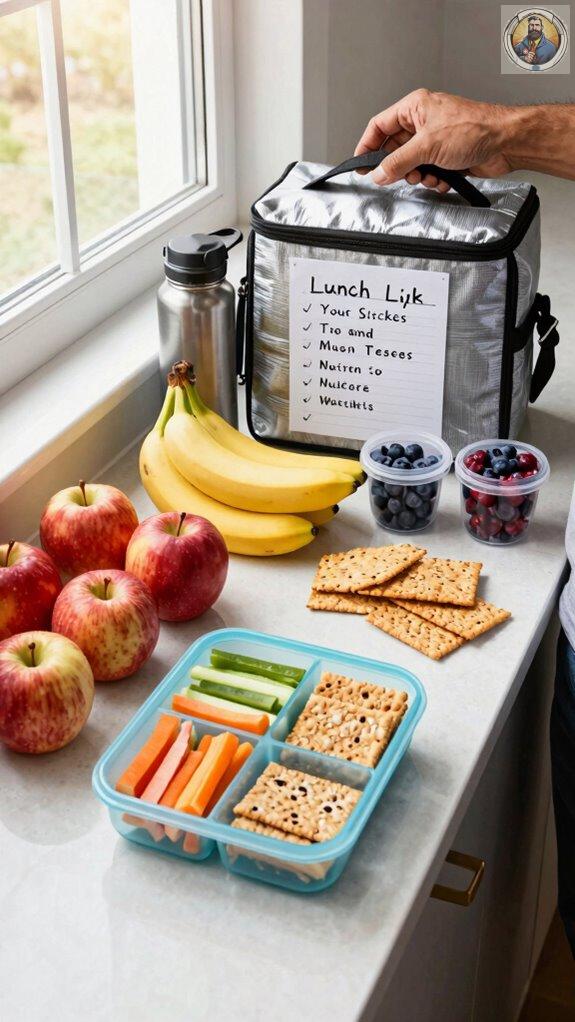
After sorting out how your kids get to and from school, it’s time to focus on what they actually eat—nutrition matters! Thinking of healthy snacks and lunch ideas that fuel their busy days can feel overwhelming, but it’s doable. Here are some simple tips:
- Pack colorful veggie sticks with hummus or ranch—kids love crunch and color.
- Include protein-rich snacks like cheese slices or turkey roll-ups.
- Rotate fruit options—apple slices, berries, or grapes—easy and sweet.
- Prepare quick yet hearty lunch ideas like whole grain sandwiches or pasta salads.
For sensory kids who may struggle with transitions or anxiety around mealtime, consider incorporating lavender aromatherapy rollers into your back-to-school routine to help them stay calm and focused during lunch periods.
Scheduling Doctor and Dental Appointments
Scheduling doctor and dental appointments might seem like just another task on your never-ending to-do list, but trust me, it’s essential for your kids’ health and happiness.
Medical scheduling guarantees Liam gets that overdue check-up, and oral health visits keep Emily’s smile bright. Keep in mind, these aren’t just chores—they’re acts of service.
Block out time on your calendar, call ahead to confirm, and ask if electronic reminders are available. Don’t wait for an emergency—be proactive!
If your children are sensory-sensitive, inform healthcare providers about their needs so they can create a comfortable environment during appointments.
Keeping track of appointments might seem tedious, but it’s a small effort for big peace of mind. After all, healthy kids mean happy, thriving children—and that’s what really counts.
Gathering Medical Forms and Emergency Info
Getting all your kids’ medical forms and emergency info in one place might sound like a chore, but trust me, it’s a lifesaver when minutes count. Envision Liam needs allergy medication quickly or Emily’s asthma flares up—being prepared makes all the difference.
Here’s what to do:
- Gather medical records, including immunizations and allergies.
- Write down emergency contacts—doctor, dentist, and trusted neighbors.
- Keep copies of insurance info and prescriptions.
- Store all in a clear folder or digital app—whatever makes access easiest.
- Ensure your kids wear high visibility safety vests during bus rides so drivers and other motorists can spot them easily in any lighting condition.
Being organized shows you care—and helps serve your kids better when it matters most.
Connecting With Other Parents for Support
Ever wonder if you’re missing out on the secret sauce to making parenting a little easier? Connecting with other parents is a game-changer. Support groups and community events aren’t just for mom groups—they’re for us, too!
I’ve found that sharing stories about Liam’s first bike crash or exchange tips like favorite snacks makes a huge difference. Join local meetups, school PTA nights, or online support groups. These groups help you feel less alone and offer real advice. When you connect with other dads facing similar challenges, you can stay productive during school hours by sharing strategies and accountability partners.
Plus, supporting others creates a community where everyone wins — including your kids, Emily and Liam. So, get out there and build a support network—you’ll thank yourself later!
How to Communicate Effectively With Teachers
When you think about building a support network with other parents, it’s natural to want to keep that vibe going at school, too. Effective listening and clear communication are your best tools here.
- Ask open-ended questions—like “How’s Emily really doing?”—to show genuine interest.
- Be specific and concise when sharing info about Liam’s needs.
- Listen actively—nod, make eye contact, and paraphrase what the teacher says.
- Stay respectful and positive, even if you disagree.
- During IEP meetings, come prepared with documentation of your child’s progress and specific examples to support your advocacy.
Teaching Your Child to Leave the House Alone Safely
Teaching your child to leave the house safely on their own might sound intimidating, but it’s really about building trust and confidence—step by step.
Keep in mind, safety isn’t just about avoiding trouble; it’s about preparing your kid for fun leisure activities and travel safety. Share simple rules like never opening the door without calling you first or staying within sight.
Practice walking to nearby parks or friends’ houses together. Ask questions like, “What would you do if…?” to help them think ahead.
After sports practice, teach them how to properly dry sports equipment so they’re ready for the next game or activity.
Liam once learned this by practicing short walks; now he’s confident heading to the skatepark alone—mission accomplished!
Managing Expectations During the First Weeks
Starting a new school year can feel like a rollercoaster—exciting, nerve-wracking, and maybe a bit overwhelming, especially during those first few weeks. Managing expectations is key. Remember, everyone’s adjusting, including you.
Here are some tips:
- Set realistic goals: Don’t aim for perfection—just progress.
- Be flexible: Understand that unforeseen hiccups happen, like Liam forgetting his lunch.
- Stay positive: Celebrate small victories, like Emily making a new friend.
- Communicate honestly: Talk openly with your kid about those “first week surprises.”
If your child is joining after-school sports, consider planning budget-friendly gear purchases ahead of time to avoid last-minute stress.
Managing expectations guarantees you serve your child’s best interest while steering through this busy time.
Keeping Track With a School Calendar or App
Getting a handle on all those school events, deadlines, and assignments can feel like juggling flaming torches—without burning yourself, of course. Using a school calendar or app helps you stay prepared, especially with safety tips and uniform policies.
I recall missing Liam’s first safety drill—big mistake! Now, I log events like parent-teacher meetings, uniform swap days, and safety reminders. Set alerts, color-code for each kid, and check weekly. Consider using waterproof luggage tags to track school gear between houses, which adds an extra layer of organization for coordinating items across multiple locations.
Ask yourself, are we protecting their safety? Am I aware of uniform policies? This method keeps us organized—and less stressed—so we can focus on serving others, like inspiring confidence in Emily and Liam every step of the way.
Important Dates and Deadlines to Remember
When it comes to keeping your sanity (and your kids on track), recalling important dates and deadlines can feel like trying to catch a rainbow—impossible, right? Not quite. Here’s what to keep in mind:
- School fashion shopping deadlines—nothing worse than missing the first day in last year’s clothes.
- Athletic program sign-up dates—especially if Liam wants to join soccer or Emily’s cheerleading.
- Parent-teacher conferences—mark your calendar so you can support your kid’s progress.
- FAFSA or financial aid deadlines—missing these can delay school supplies, which nobody wants. Keep a handy list—don’t let these slip away!
- Organize your calendar and important dates using plastic desk organizers to ensure nothing falls through the cracks during the busy school season.
Building Your Child’s Confidence and Independence
Building your child’s confidence and encouraging independence might sound like a tall order, but trust me, it’s easier than trying to teach Liam to fold his laundry (which, let’s be honest, is more comedy than skill).
To do this, give small tasks like choosing their outfit or packing their bag, and praise efforts—no matter the outcome.
Share stories of my own kids struggling with simple chores; it’s normal.
Ask questions like, “What do you think?” or “How would you handle this?” These boost confidence.
Keep in mind, serving your child’s growth with patience helps them become brave, independent learners—one step at a time. When communicating with teachers about your child’s progress, maintain shared school communication to ensure consistency between home and classroom in supporting their development.
How to Balance Work and School Events
Juggling work commitments while managing school events might feel like trying to herd cats—impossible, chaotic, but somehow, it can be done if you get organized.
- Prioritize events that build parent bonding, like class celebrations or field trips, and mark them on your calendar.
- Master time management—use alarms or reminders for school meetings and work deadlines.
- Communicate openly with your boss and colleagues about your schedule needs, so they’re in the loop.
- Involve your kids, like Liam or Emily, in planning, turning busy days into quality time.
It’s about serving your kids’ needs while keeping your work on track—together, you can make it work!
What to Do When Unexpected School Changes Happen
You know those moments when you’re already juggling a mountain of responsibilities, and suddenly, unexpected school changes hit you? It’s a real test of emergency preparedness.
When last-minute schedule shifts happen—like a snow day or a canceled field trip—stay calm.
Check your school’s app or website for updates, and communicate quickly with your child.
Keep a backup plan ready, like carpool buddies or a trusted neighbor.
Keep in mind, flexibility is key.
Don’t get overwhelmed; instead, see it as a chance to serve your kid’s needs creatively.
Investing in durable school gear ensures your child’s belongings can withstand the chaos of unexpected changes without adding to your stress.
After all, being prepared for unexpected school changes is how we turn surprises into opportunities.
Supporting Your Child’s Emotional Well-Being
When it comes to your kid’s emotional well-being, it’s easy to forget how crucial it is—especially during busy back-to-school times or after a rough day. Building emotional resilience is key, and positive affirmations help boost confidence. Understanding how to address school bullying can further strengthen your child’s ability to handle challenging social situations.
Here’s how you can support them:
- Encourage daily positive self-talk, like “I’m capable” or “I am loved.”
- Listen actively and validate feelings, even if they seem small.
- Share your own stories of overcoming setbacks.
- Create a safe space where they feel free to express themselves openly.
Teaching Responsibility Through Chores
Teaching responsibility through chores is one of those classic parenting tricks that actually works better than you might think—kind of like how my kids Emily and Liam magically become little helpers (sometimes with a few protests, I won’t lie).
Chore rotation, for example, keeps things fair and prevents boredom. Responsibility coaching helps kids see how their duties contribute to the family. Assign simple tasks like laundry, dishwashing, or sorting school supplies. Establishing a consistent morning routine with designated chores helps children prepare for their school day and develop time-management skills.
I learned that praise and patience make a difference—”Great job watering plants!” or “Thanks for tidying up your room.” Want engaged, responsible kids? Make chores a team effort with clear expectations and a little humor.
Creating Emergency Plans and Contact Lists
Handling emergencies mightn’t be the most fun part of back-to-school prep, but I’ve learned that having a solid plan can save a lot of stress—and maybe even a few tears.
It all comes down to creating a clear contact list and practicing safety drills.
Here’s what I do:
- List emergency contacts—including neighbors, family, and the school.
- Review safety drills with my kids regularly—fire, earthquake, or lockdown!
- Keep these contacts in a visible spot and on their phones.
- Teach Liam and Emily to stay calm and call the right person if needed.
Building a morning prep routine that includes reviewing emergency procedures helps ensure my kids know exactly what to do and who to contact in any situation.
What’s your game plan?
It might just save the day.
Setting Goals for the School Year
After getting the emergency plans in place and knowing exactly who to call when, it’s time to shift gears and focus on setting goals for the school year. Why? Because this is about more than grades—it’s about serving my kids, Emily and Liam, by nurturing their passions.
Think about incorporating creative activities that inspire them or signing them up for after-school programs that develop their skills. I ask myself: what do I want Liam to learn or Emily to explore?
Setting clear goals, like attending weekly art classes or joining a soccer league, creates a year full of growth, fun, and meaningful service to others. Try using effective question cards to help your sons open up about their experiences and interests throughout the year.
Staying Organized and On Top of School Activities
Ever feel like keeping track of school activities is as chaotic as trying to juggle flaming torches? I’ve been there! To stay organized and build parent-child bonds, try these tips:
- Use a shared family calendar for deadlines, events, and creative activities.
- Create a weekly planning routine, involving Liam or Emily in choosing activities—fun for them and saves you from surprises.
- Keep a “school gear station” where everything’s ready—backpacks, art supplies, sports gear.
- Schedule regular time for parent-child bonding, like baking or crafts, making school chores enjoyable and meaningful.
- Consider using noise reduction ear plugs if your child experiences sensory overload during busy school days, helping them stay focused and comfortable in high-stimulation environments.
Motivating Your Child to Stay Focused and Organized
Motivating your child to stay focused and organized might feel like trying to herd cats—impossible, right? But it’s all about encouraging motivating children and fostering independence.
Recall when Emily excelled because she felt trusted? Try giving Liam small choices—like selecting his backpack or lunch.
Use clear, simple routines and praise effort, not just results. Keep a visual schedule or checklist on the fridge.
Make organization fun—color-code folders or set timers. Kids thrive on consistency and love to feel capable.
If you model organization and stay positive, they’ll pick up those habits faster than you think.
Consider using co-parenting communication apps to coordinate with teachers on your child’s organizational progress and academic goals.
Ready to turn chaos into confidence? Let’s do this!
Monitoring Academic Progress and Celebrating Successes
Keeping a close eye on your child’s academic progress might sound as exciting as watching paint dry, but trust me, it’s key for their success.
To do this well:
- Regularly check grades and assignments—think of it as your child’s report card report card.
- Communicate with teachers—be proactive, not reactive.
- Celebrate small wins: acing a quiz or improving attendance.
- Implement a reward system to motivate and show you care.
Monitoring academic success isn’t about micromanaging but about showing you’re invested and encouraging resilience.
It’s like building a foundation for future confidence and achievement—think of it as giving Liam and Emily their best shot at greatness.
Since academic success is often connected to healthy habits, consider implementing device screen time limits to help your child focus better on their studies.
How to Maintain Your Well-Being During Busy Months
Balancing everything during those hectic months can feel like juggling flaming torches—impressive but dangerous if you’re not careful.
As single dads, protecting your mental health and managing stress isn’t just for you; it’s how you stay strong for your kids. Take breaks, even if it’s just a quick walk or deep breath.
Prioritize sleep—no, coffee isn’t a substitute. Stay connected with friends, or vent to someone who understands.
Keep in mind, it’s okay to ask for help when things pile up. Consider incorporating chewable sensory jewelry into your child’s routine to help them stay calm during school transitions, which can reduce stress for both of you. Your well-being fuels your ability to serve your kids with patience and love, so don’t forget to take care of yourself too!
Teaching Problem-Solving and Resilience Skills
Teaching your kids how to solve problems and bounce back from setbacks might sound like a tall order, but trust me, it’s one of the most important skills they’ll ever learn—and it’s easier than you think.
Here’s how I foster resilience and teach empathy:
- Share my own stories of failure, showing that setbacks are normal.
- Encourage them to brainstorm solutions, instead of giving immediate answers.
- Celebrate small wins, like Liam fixing his bike or Emily staying calm after a fight.
- Model kindness and listening skills, teaching them to understand others’ feelings.
When they learn to face challenges head-on, they grow into compassionate, resilient adults ready for anything.
Celebrating Back-To-School Milestones With Your Child
Starting a new school year is a big deal, and celebrating those little milestones along the way can make all the difference—for your kid and for you. Celebrating milestones isn’t just about big events; it’s about creating memories that last.
Think high-fives after finishing homework, or special breakfast treats on the first day. Keep in mind, these moments boost confidence and show you care. Maybe your child, Liam, finally remembers to pack his lunch or Emily reads her first full chapter. Setting up a focused homework space at home can also help your child stay organized and motivated throughout the school year.
Small wins deserve recognition—do something fun, snap a photo, or write it down. These celebrations become the stories your kids will tell someday!
How to Review and Adjust Your Back-to-School Plan
Once you’ve been through a school year or two, you probably realize that no plan is perfect—trust me, I’ve been there. To improve yours, review your meal planning and clothing organization: Did meal prep save time? Did Liam forget his backpack again?
Here’s how to fine-tune:
- Track what worked and what didn’t—write it down.
- Adjust meal plans—swap breakfast choices based on morning chaos.
- Organize clothing—reassess laundry routines and shed excess.
- Seek feedback from your kids—make them part of the solution.
Establishing smart morning routine practices with your daughters will help them develop independence and responsibility while reducing your stress. This way, your plan becomes more flexible and effective, making mornings smoother for everyone, especially you and your kids like Emily and Liam!
Packing Lunch Together
If packing lunches used to feel like a last-minute chaos marathon, then this is your chance to change the game—together, of course.
I’ve learned that planning ahead with healthy snacks makes mornings smoother. Set a weekly routine: choose a day to prep, grab your kid’s favorite healthy snacks like fruit, nuts, or yogurt, and make it fun. Liam and I now pack ahead, humor included—”What superhero snack do you want today?” I ask.
Be organized: use divided containers, label items, and involve your child. Consider investing in reusable sandwich bags to keep packed items fresh while teaching your kids about sustainable lunch practices. Dynamic routines keep me sane, and serving my kids by providing nourishing, exciting lunches feels pretty awesome.
Back to School Essentials
Getting your back-to-school game on point means knowing exactly what essentials you need—kind of like having a secret weapon for smooth mornings and stress-free afternoons. Here’s what I’ve learned from years of parent bonding and prioritizing school safety:
- *Backpack with ergonomic support*—comfort and durability matter when carrying everything for your kid.
- *Personalized supplies*—splurging on fun, colorful folders makes organization easier for Liam and Emily.
- *First aid kit*—brace for those accidental scrapes and cuts, so you’re ready anytime.
- *Communication tools*—a reliable phone or walkie-talkie for quick updates.
- *Prepared lunch containers*—having quality containers ready makes solo meal prep efficient and ensures your kids eat nutritious meals throughout the week.
These essentials turn chaos into calm, making parent bonding and school safety effortless.
FAQ
How Can Single Dads Find Affordable Back-To-School Shopping Options?
Think of budget-friendly shopping as maneuvering a clever maze; I rely on coupon strategies and store sales to save money. This way, I can serve my child without stretching our finances, making back-to-school season smoother and more affordable.
What Are Tips for Managing Multiple School Schedules?
I prioritize effective time management and clear communication strategies, keeping everyone informed. This helps me coordinate my kids’ schedules smoothly, ensuring I serve their needs while reducing stress and fostering a supportive, organized environment.
How to Handle Last-Minute School Supply Shortages?
Whoa, last-minute shortages? Perfect chance to practice creative parenting techniques! I stay calm, prioritize using time management, and help my kids adapt, showing them how handling surprises with grace actually teaches responsibility and resilience.
How Can I Involve My Child in School Decision-Making?
You can involve your child in school decision-making by fostering open parental communication, asking for their opinions regularly, and encouraging decision-making confidence. This approach helps them feel valued, empowering them to contribute actively and build trust and independence.
What Resources Are Available for Emotional Support for Single Dads?
Did you know 70% of single dads find peer support groups invaluable? I’ve found that building emotional resilience through support networks helps us stay strong. Connecting with others offers reassurance and strength in serving both ourselves and our children.


