

How Caring Fathers Reassure First Day Kindergarten Fears
How to Tackle First Day Fears—Dad Style
Why do kids dread the first day of school? Because it’s as nerve-wracking as facing a lion at the zoo!
As a dad who faced this with my little one last September, I love sharing experiences on Modern Dads.
To ease the tension, I packed the lunchbox with a surprise—a handwritten note. Yep, dad humor for the win! I reminded my child, “You got this!” with a calm smile and a quick clap of encouragement.
Having a water bottle and a favorite dinosaur toy helped too.
I recall the morning my kid clung to my leg, wide-eyed as I prepped for the school drop-off. After several deep breaths, we high-fived. That was the moment—they let go and marched toward adventure. Watching that gave me the feels, knowing I played a part.
Quick Takeaways
- Maintain a calm, positive attitude and use reassuring language to ease your child’s anxiety.
- Prepare your child with routines, familiar items, and visuals to foster confidence and predictability.
- Engage in active listening and validate their feelings, creating a safe environment for emotional expression.
- Share personal stories and explain what to expect to normalize the kindergarten experience.
- Practice calming techniques and social skills to help your child manage nerves and facilitate smoother transitions.
Preparing Both Emotionally and Practically for Kindergarten Success
Starting kindergarten can feel like stepping into uncharted territory, even for the most confident parents. I recall my first drop-off—I was nervous, but focusing on emotional intelligence helped.
Starting kindergarten feels like uncharted territory; focusing on emotional intelligence eased my nerves during drop-off.
Parenting techniques like validating feelings and staying calm teach your child resilience. Did you know small actions—like talking about school beforehand—build confidence? For example, I showed Liam his backpack and favorite lunchbox, making it less scary.
To prepare practically, organize a routine: set wake-up times, pack backpacks together, and practice good sleep habits. Consider incorporating martial arts games into your family fitness routine to help burn off nervous energy and build your child’s confidence during this transition.
Ask yourself: Is your child ready emotionally? Use active listening and empathy to understand fears. Research shows that social media’s influence on children’s emotional development requires parents to be intentional about creating safe, screen-free spaces during this transitional period.
Helping Your Son Feel Confident With Routines and Familiarity
Since kids thrive on predictability, helping your son feel confident often comes down to routines and familiar surroundings he can count on—like his favorite blanket or a specific snack. Morning routines are especially powerful for building security.
Think: a set wake-up time, a quick breakfast, and a goodbye hug that feels warm and familiar. These small but consistent steps foster parent-child bonding and create a sense of control. Keep in mind, I’ve seen my own kids Liam and Emily respond better when they know what’s coming.
Want some tips? Use visual charts or countdowns for tomorrow’s day. Have a “good luck” handshake ready. Consider providing your son with a loud safety whistle to keep in his backpack for emergencies, giving both of you added peace of mind. The key? Engaging him in these routines makes him feel involved and prepared. Pairing this confidence-building with an ergonomic school backpack can also reduce physical anxiety about the day ahead.
Routines aren’t about rigidity—they’re about trust.
Using Positive Words to Ease Kindergarten Transition Anxiety
Using positive words is one of the simplest yet most powerful tools you have to help your son feel more at ease with starting kindergarten. When you speak kindly and encouragingly, you boost his emotional reassurance and strengthen your family bonding.
Keep in mind, kids pick up on tone, so avoid sounding impatient or anxious. Instead, focus on phrases like “You’re ready for this,” or “You’ll make new friends easily.”
Have you ever noticed how praising effort, not just results, builds confidence? Make it a habit to highlight his strengths daily. For example, tell Liam, “Your curiosity will help you learn so much,” or remind Emily she’s brave. Consider engaging him in hands-on learning activities like building simple projects to reinforce his problem-solving abilities and boost his sense of accomplishment.
These small words create a positive, supportive climate that eases fears and builds excitement. Research shows that managing screen time limits during this transition period can also help reduce anxiety and improve focus on real-world social interactions. Who knew words could be so powerful?
Supporting Your Child During the First Day Drop-Off
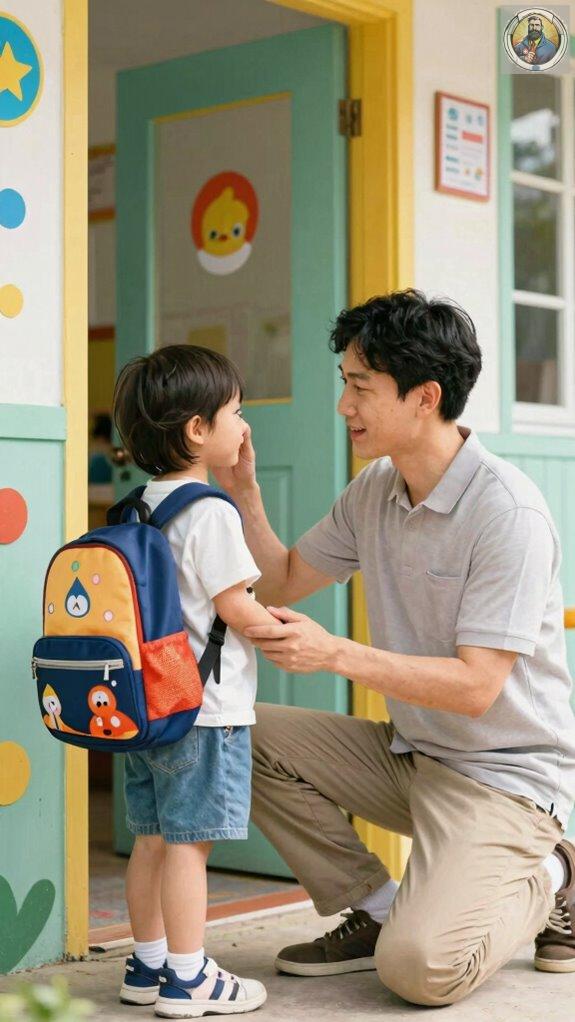
Being there for your child during that all-important first day drop-off can feel like walking a tightrope—exciting but nerve-wracking. Keep in mind, your calm presence is key! Your child needs reassurance about playground safety and classroom etiquette, so briefly explain how rules keep everyone safe and happy. Consider bringing along lightweight camping tarps or portable shelters to create comfortable outdoor spaces where your child can decompress during school events.
Here are some tips:
- Stay positive and speak confidently.
- Say goodbye with a hug, then step back but stay nearby.
- Help your kid observe playground safety, pointing out safe zones.
- Encourage respectful classroom etiquette, like raising hands.
- Create a visual ritual—a special wave or handshake for comfort.
It’s normal to feel anxious, but your reassuring words and calm demeanor set the stage for a successful first day. You’ve got this!
Creating a Home Environment That Supports a Smooth Back-to-School Transition
Getting your home ready mightn’t seem as exciting as that first big day at school, but trust me, it makes all the difference. A calm, organized environment fosters parent-child bonding and supports childhood independence.
A tidy, peaceful space encourages independence and strengthens your parent-child connection.
Why not set up a special corner just for homework or reading, where your child feels safe and encouraged? Simple things like labeled backpacks, easy-access shelves, and a quiet space help reduce chaos and anxiety.
Keep in mind those times when Liam refused to leave the house? Creating routines like morning stretches or lunch prep together built confidence.
Even quick chats about the day’s schedule can strengthen that bond. Consider packing a lightweight backpacking trowel in your child’s outdoor exploration kit to encourage hands-on learning and adventure during weekend camping trips.
First School Supplies Shopping
When it comes to that exciting, yet slightly chaotic day of school supplies shopping, I always remind myself—this isn’t just about grabbing the biggest pack of crayons or the coolest backpack. It’s about setting the stage for your child’s academic progress and comfort.
Here are some ideas to keep in mind:
- Choose creative seating options like wobble stools or cushions to boost focus.
- Select quality supplies that last all year—think sturdy pencils and durable folders.
- Focus on items that foster independence—label everything clearly!
- Include ergonomic tools to promote good posture.
- Pick fun, colorful supplies to keep your kid excited and engaged!
Kindergarten Readiness
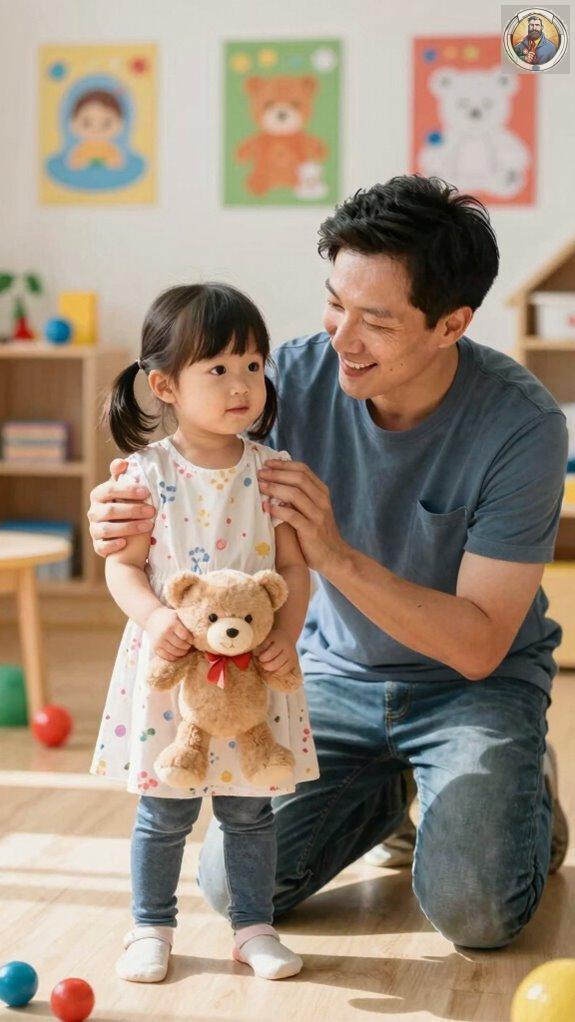
Ever wonder if your little one is truly ready for kindergarten? It’s a big step, and I recall worrying about that too. Kindergarten readiness isn’t just about knowing the alphabet or counting to ten—it’s about emotional resilience and social skills.
For example, Liam’s sibling bonding with his older sister helped him feel more secure, easing separation fears. You can boost this by encouraging playdates and teamwork at home. Notice how kids who handle small frustrations—like losing a game—are often more prepared emotionally. Engaging in creative weekend activities together can also strengthen family bonds and build confidence in new social settings. Building projects like LEGO architecture sets provide structured bonding time that naturally teaches patience and collaborative problem-solving.
To assess readiness:
- Observe your child’s independence during daily routines
- See if they can communicate feelings effectively
- Encourage empathy with siblings or friends
Getting your child comfortable in these areas makes their transition smoother—and more confident. It’s about planting emotional roots that grow stronger every day.
Back to School Transition
Heading back to school might sound like a big deal, but honestly, it’s more about helping your child feel confident and ready for this new chapter. As a caring father, I’ve seen how easing fears can make a huge difference.
To manage the back-to-school shift smoothly, consider these ideas:
- Address sibling rivalry early to prevent conflicts during hectic mornings.
- Get involved in the school community to foster a sense of belonging.
- Establish routines that create consistency and security.
- Talk openly about what to expect on the first day—no surprises!
- Share your own school stories — yes, embarrassing ones included!
- Try breathing exercises with your child to help manage anxiety about the transition ahead.
- Starting a morning routine the week before school begins can help your child adjust to earlier wake times and reduce first-day anxiety.
Back to School Essentials
Getting your child ready for a big day at school isn’t just about packing a backpack; it’s about preparing with the right tools to turn nerves into excitement. Essential items like a well-fitting lunchbox, sturdy shoes, and a labeled backpack help eliminate last-minute chaos.
But don’t forget: parent-child communication is key! Practice talking about feelings, so your child feels understood and confident. Use social skill development activities—like sharing games and role-playing—to boost their readiness for new interactions.
I recall when Liam was shy and hesitant; gentle conversation and practicing greetings made all the difference.
List some essentials: a water bottle, wipes, and a favorite stuffed animal for comfort. Small preparations now lead to big confidence later—trust me, I’ve seen it firsthand!
FAQ
How Can I Stay Calm to Set a Positive Example?
To stay calm and set a positive example, I focus on deep breathing and self-awareness, practicing emotional regulation. I prioritize parent-child bonding, which helps me remain composed, fostering confidence and reassurance for my child during their first day.
What Signs Indicate My Child Is Truly Ready Emotionally?
When your child’s attachment styles feel secure, and they demonstrate emotional regulation through sharing feelings comfortably, it signals they’re ready emotionally. Recognizing these signs helps you guide them confidently through this pivotal shift.
How Can I Communicate With Teachers About My Child’s Fears?
I prioritize parent-teacher collaboration by openly discussing my child’s emotional readiness, fears, and progress, which helps create a supportive environment. Clear communication reassures my child, fostering trust and ensuring we work together effectively for their emotional well-being.
What Are Some Small Ways to Boost My Child’s Independence?
Back in the day, I’d encourage my child to develop small habits like self-care routines and engaging in peer play, fostering independence gradually. This helps children confidently navigate new experiences and build essential social skills.
How Do I Handle My Own Anxiety About My Child’s First Day?
I handle my anxiety by maintaining consistent bedtime routines to promote calm, and I offer emotional support through open conversations, reminding myself that my calmness helps my child feel secure and confident on their first day.
Summary
Keep in mind, the first day is like stepping into a new episode of “The Brady Bunch”—a little awkward but full of promise. With patience, positive words, and a sprinkle of routine, you’ll help your little one feel safe and confident. Did I mention my son Liam once thought his backpack was a spaceship? Yeah, those small wins matter. So, take a deep breath, keep it fun, and enjoy this excited, messy, unforgettable journey!


