

Best Back To School Kindergarten Checklist For Fathers
The Ultimate Kindergarten Checklist: A Dad’s Survival Guide
How do I survive back-to-school chaos as a dad? A solid kindergarten checklist is my secret weapon.
I’m sharing this on Modern Dads because, let’s face it, we need all the help we can get.
First, pack a sturdy backpack: crayons, tissues, a water bottle. Don’t forget a change of clothes and a snack to avoid any “hangry” meltdowns.
Practice dressing routines, like “Red or blue?” to boost independence. Trust me, it works. Timing is everything—use a timer to keep mornings smooth.
I remember last year when my little one insisted on wearing mismatched socks. A fashion statement, or just chaos? You choose!
One morning, we turned a race against the clock into a fun challenge. Whoever got dressed first could pick breakfast. Spoiler alert: I lost, but those giggles were priceless!
Quick Takeaways
- Prepare essential school supplies such as backpack, crayons, tissues, and organizational tools to ensure a smooth start.
- Practice classroom etiquette and routines at home to build confidence and familiarity for your child.
- Communicate early with teachers about your child’s needs, strengths, and any concerns.
- Establish daily rituals and independence tasks like dressing choices to foster confidence and routine.
- Attend pre-kindergarten events and engage in social activities to support emotional and community integration.
Why Fathers Matter in Kindergarten Readiness
You might think that getting a kid ready for kindergarten is all about buying the cutest backpack and making sure their shoelaces are tied, but really, dads—yes, you—play a much bigger role than you might realize. Your involvement shapes your child’s confidence and enthusiastic desire to learn.
Think about building their dream playground or packing their favorite snacks—these things create joyful moments that boost their mood and curiosity. By being present, encouraging their interests, and sharing simple daily rituals, you show them how much you care. Additionally, familiarizing yourself with advocating in school meetings will prepare you to support your child’s educational needs throughout their kindergarten journey and beyond.
Keep in mind, you’re not just preparing their bag—you’re shaping a happy, confident learner ready for anything!
What to Know About the Kindergarten Readiness Checklist
Understanding the kindergarten readiness checklist might sound like just another list of things to tick off, but it’s actually a powerful tool that can make the whole shift smoother—kind of like having a game plan before stepping onto a soccer field.
- Focus on vocabulary building, since better words boost confidence and communication.
- Practice classroom etiquette, like raising hands or sharing toys—imagine Liam knowing when it’s his turn.
- Keep it fun and supportive; your encouragement helps your child feel ready and enthusiastic to learn.
- Consider using AI homework tools to supplement learning activities and help your child develop foundational tech skills alongside traditional kindergarten readiness skills.
How to Establish a Smooth Back-to-School Morning Routine
Getting your morning routine down pat might just be the secret weapon to surviving those chaotic back-to-school days—trust me, I’ve learned this from experience (and a few spilled cereal incidents). After summer activities and birthday parties, energy levels drop, and mornings get hectic.
To stay smooth, prep the night before: lay out clothes, pack lunches, and double-check supplies. Create a simple checklist for your child—so they’re part of the process and don’t forget essentials like backpack or shoes. Implementing smart morning routine hacks can make a significant difference in how smoothly your family transitions through the morning.
Keep mornings calm with a set order: breakfast, hygiene, and outfit. Staying consistent and positive helps everyone start the day with a smile (or at least fewer tears).
Essential School Supplies for Your Child’s Kindergarten Year
As I’ve learned from plenty of mornings gone sideways, having the right school supplies on hand can make all the difference between chaos and calm when your kindergartener heads off to their first big classroom adventure. Getting this list right helps with morning routines and boosts emotional readiness.
- A sturdy backpack—because lightweight isn’t always best for tired little legs
- Crayons and color pencils—so they can express themselves and feel confident
- Wet wipes and tissues—keeping things tidy and comforting during those emotional moments
Being prepared makes mornings smoother—and happier—for everyone. Incorporating stress relief strategies into your child’s back-to-school routine can help them feel more confident and emotionally ready for the classroom environment.
Simple Ways to Help Your Child Develop Fine Motor Skills
Whenever I watch my kids, Emily and Liam, struggle to hold a pencil just right, I realize how important it’s to help them develop their fine motor skills early on—because let’s face it, if they can’t get a grip on their crayon, how will they master handwriting?
To boost these skills, try activities that incorporate gross motor and social bonding, like playing with playdough, threading beads, or completing simple puzzles. These activities strengthen hand muscles while making learning fun.
Plus, working together helps children develop confidence and social skills. Keep in mind, every small step builds those tiny muscles that make writing and drawing easier—and more enjoyable! Teaching children about gym locker hygiene early can also reinforce habits that develop responsibility and personal care skills alongside their physical development.
Easy Activities to Teach Reading and Literacy at Home
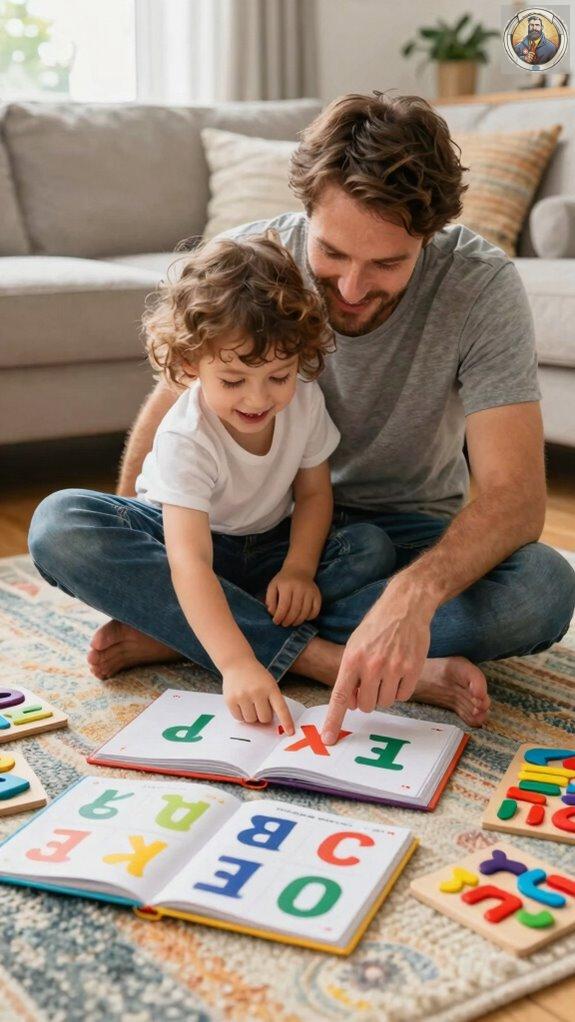
Building on those tiny finger muscles can set the stage for becoming a confident reader, which is pretty much every parent’s secret weapon for success.
Want a fun way to teach phonics? Try simple phonics activities like matching sounds to letters or singing alphabet songs—my kids Emily and Liam loved those!
For math games that boost literacy, create story problems or letter scavenger hunts around the house. You could also make flashcards with sight words and turn it into a game. Educational flash cards are highly recommended tools that can reinforce letter recognition and sight word mastery during these critical early learning years.
These activities turn reading into play, helping your child love learning while busy serving others through shared fun. Isn’t that what we all want?
Building Your Child’s Confidence With Numbers and Math
You might think getting your child excited about numbers and math is a tall order, but trust me, it’s easier than you think—especially when you turn it into a fun adventure. Number games are a fantastic way to build confidence; think simple card matches or counting races.
Math stories, like “Once upon a time, a fox found 3 acorns, then 2 more…” spark imagination and understanding.
Bonus: these activities can be tailored to your child’s interests. Keep in mind, learning should feel like play, not a chore. Encourage curiosity, celebrate small wins, and watch your child’s confidence grow with each exciting math story or game! Consider using a heavy-duty travel duffel to organize and transport math manipulatives and learning materials between your home and school.
Tips to Create Effective Bedtime Habits for School Success
Getting kids to settle down and actually get a good night’s sleep can sometimes feel like trying to herd cats, but establishing effective bedtime habits is a game-changer for school success.
To help, create a cozy sleep environment—dim lights, comfy bedding, and remove screens. Incorporate calming bedtime stories to wind down and create a routine. Stock your supply bin with pre-sharpened colored pencils so your child can wind down with a relaxing coloring activity before bed.
- Keep the same bedtime every night, even on weekends
- Use a white noise machine or soft music for comfort
- Avoid sugary snacks close to bedtime
Think about what helps your kid feel safe and relaxed—trust me, it makes all the difference for a confident, ready-for-school morning.
How to Encourage Independence in Dressing and Self-Care
Ever try to get your kid dressed in the morning, only to be met with tears or stubbornness? It’s a classic scene, right? To encourage dressing independence and build solid self-care routines, I found giving simple choices helps a lot.
For example, “Do you want the red shirt or the blue one?” lets them feel in control. Make it fun—battle of the clothes! Also, stay patient, praise every small step, and give gentle reminders like “Time to brush teeth!”
Setting a digital alarm clock in your child’s room helps establish a consistent morning routine and teaches them to wake up on schedule independently. Kids like Liam and Emily thrive when they’re taught to be autonomous, and these routines set the stage for a confident, independent learner.
Connecting With Teachers and School Staff Before Kindergarten Begins
As I’ve learned from trying to get Liam to brush his teeth without a fuss, early communication with teachers and staff makes kindergarten smoother. Building relationships helps everyone serve each other’s needs better. Want smoother mornings? Reach out early to discuss teacher communication preferences, school routines, and any special needs your child may have. Implementing soothing strategies before school can also help calm anxious or hyperactive children before they arrive in the classroom.
- Introduce yourself and ask about preferred contact methods.
- Attend pre-kindergarten events to meet staff in person.
- Collaborate openly on your child’s strengths and challenges.
It’s about working together, because staff collaboration and open dialogue can prevent surprises when those first big days arrive—trust me, I’ve seen how seamless it can be when everyone’s on the same page.
Preparing Your Child Mentally for Their First Day at School
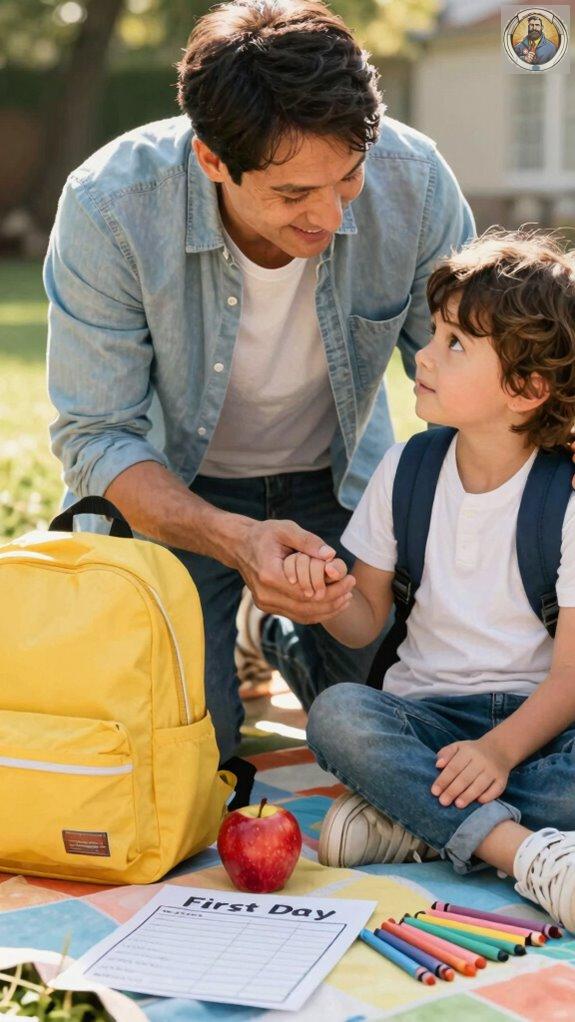
Starting kindergarten is a huge milestone, and honestly, much of the mental prep falls on us as parents to help our kids feel ready and confident. I recall Liam’s first day—nerves and excitement mixed together!
Talk about classroom etiquette: sharing, raising hands, and listening. Also, go over fire safety—simple stuff like stop, drop, and roll, plus what to do in an emergency. Make it fun and interactive. Ask questions like, “What would you do if?” It helps develop their confidence. If your child has an IEP, consider bringing legal writing pads to any meetings to help you stay organized and advocate effectively for their needs. These small steps turn fears into confidence, making your child feel supported and prepared.
Trust me, they’ll thank you later!
Setting Up a Comfortable and Organized Backpack Area
Have you ever opened your child’s backpack and felt overwhelmed by the chaos inside? It’s a common scene—art supplies spilled everywhere, last week’s snack crumbs, and a mountain of papers. To make mornings smoother, set up a cozy, organized backpack area at home.
- Use a small bin for art supplies, labeled “Creative Corner,” so your kid knows where their crayons and markers live.
- Establish a quick, visual morning routine checklist nearby, with step-by-step tasks.
- Keep a designated spot for everyday items like school snacks or a water bottle.
Consider adding father-son pocket charms to your child’s backpack to provide comfort and reassurance during those anxious first-day moments.
This little setup can transform chaos into calm and make serving your child a whole lot easier!
How to Talk to Your Child About Starting Kindergarten
Talking to your child about starting kindergarten might feel overwhelming—like trying to explain why the sky is blue to someone who’s never looked up. But don’t worry! Using talking techniques that involve play therapy can work wonders.
For example, use toys or drawings to help your child express feelings about school. Ask simple questions like, “What are you most excited about?” and listen carefully. Consider using icebreaker cards to encourage your child to open up about their feelings and worries regarding their new school experience.
Share your own stories, like Liam’s first day nerves, to show you understand. Keep it positive, light, and fun.
Keep in mind, your support makes all the difference. Have patience, and celebrate small steps—kindergarten is a big adventure!
Ways to Support Your Child’s Social Skills Development
Building your child’s social skills is a lot like planting a garden—you’ve got to nurture it, be patient, and cheer on every tiny bloom. To support this, create opportunities for positive peer interactions, like supervising playground safety and guiding good sharing habits.
Encourage lunch box choices that promote healthy conversations, like packing fun, nutritious snacks that spark chat.
- Model friendly behavior yourself, like greeting neighbors or saying “please” and “thank you.”
- Practice role-playing social scenarios at home, such as asking to join a game.
- Attend school events and meet other parents to build a supportive community. Trust me, it makes all the difference!
- If your child is navigating a blended family, help them feel comfortable introducing stepsisters or stepbrothers to their classmates and teachers.
Favorite Books to Read Together Before Kindergarten
Incorporate these into your bedtime routines to make them special. Try asking questions about the story or sharing a moment of silence to listen. Using visual countdown timers during story time can help maintain your child’s focus and attention throughout the entire book.
Keep in mind, your enthusiasm matters—kids pick up on your excitement and love. So grab a cozy blanket, settle in, and prepare to turn ordinary evenings into extraordinary opportunities to teach and love.
How to Establish a Consistent Daily Schedule at Home
When it comes to helping your little one thrive in kindergarten, establishing a consistent daily schedule is like giving them a reliable roadmap—they know what to expect and feel more secure. I’ve found that balancing fun activities and learning keeps kids engaged and happy.
- Set specific times for breakfast, homework, and play — even math games and art projects.
- Create a visual chart or routine board to remind Liam or Emily what’s next.
- Stick to bedtime and wake-up times—no matter how tempting to stay up late watching cartoons.
- Consistency builds confidence and reduces meltdowns, making mornings smoother and more enjoyable for everyone.
By establishing consistent daily routines, you can maximize your own productivity while your child is at school, knowing that the structure you’ve created will carry through their day both at home and in the classroom.
Helping Your Child Develop Emotional Skills for School Transitions
Helping your child develop emotional skills for school shifts might sound like a tall order, but honestly, it’s all about being mindful and supportive—kind of like giving them a warm, emotional safety net.
I’ve found that quick mindfulness exercises, like deep breathing or noticing five things around them, can calm nerves.
Building emotional vocabulary helps kids express feelings instead of acting out. Ask questions like “Are you feeling excited or nervous?” Liam loved “labeling” emotions, making changes easier.
Use bullet points to teach emotional words regularly; it’s great preparation for school’s emotional rollercoaster.
For children experiencing sensory sensitivity during transitions, noise reduction ear plugs can provide significant relief in the classroom environment.
Trust me, these simple steps make a big difference.
Nutritious Snack and Meal Tips for Active Kindergarteners
Since active kindergarteners burn energy faster than a rocket zooming through space, it’s essential to fuel them with tasty, nutritious snacks and meals that actually stick with them.
Think colorful plates packed with Protein, Whole Grains, and fruits—like apple slices with peanut butter or cheese and whole-grain crackers.
Don’t forget Healthy Hydration—water‘s the hero here!
Portion planning helps avoid waste and guarantees they’re energized without overeating.
Serve small, frequent snacks, and adjust for your child’s appetite.
Keep in mind, a well-fed kid is a happy learner—and a less cranky one, too.
Coordinating meals with morning vehicle routines ensures your child starts the day fueled and ready for their kindergarten adventure.
Your efforts make today’s lunch a chance to serve and nurture!
Fun Educational Activities to Boost Learning at Home
Getting your kids excited about learning at home isn’t just about drills and homework—trust me, I’ve been there!
I’ve found that combining creative art with outdoor exploration sparks lifelong curiosity.
For example, set up a “nature collage” during a walk—collect leaves, rocks, and flowers, then create art at home.
Or turn backyard exploration into a mini science adventure: measure spots, observe bugs, or identify trees.
Ask questions like, “What color is this leaf?” or “How many acorns fit in your hand?”
My kids, Emily and Liam, loved turning our yard into an educational playground.
Consider using collapsible trunk organizers to keep your car tidy during trips to nature spots and educational outings.
Who knew learning could be this fun?
What to Pack in a Kindergarten Emergency Kit
Thinking about all those fun outdoor activities with your kids makes me realize how important it’s to be prepared for those little surprises—like a scraped knee or a sudden need for a snack.
An emergency kit should include itemsto handle common mishaps:
- Bandages of various sizes (trust me, those small ones are lifesavers)
- Toy organization items, so little mishaps don’t turn into a toy mess
- Lunchbox ideas like energy bars or fruit snacks for quick fuel
Using plastic desk organizers can help keep emergency supplies neatly stored and easily accessible when you need them most.
Have these ready, and you’ll be the hero who always has a solution!
Keeps your kid happy and your mind at ease.
Building Community: Connecting With Other Parents and Families
Building a strong community isn’t just a nice-to-have; it’s essential when you’re steering the wild world of kindergarten with your kids. Connecting with other parents and families makes everything easier—and more fun.
Try organizing a playdate; it’s a simple way to build bonds. Attend neighborhood events—think picnics or fall festivals—as they’re prime opportunities to meet new friends.
I’ve found that genuine conversations over coffee or during park chats create lasting connections. So, ask yourself—what can I do today?
Maybe invite a family for a quick playdate or join the next neighborhood gathering. Consider establishing shared school communication with other parents to ensure everyone stays informed about important updates and events. Serving others isn’t just good for your kids—it’s good for everyone.
How to Recognize and Support Your Child’s Learning Style
Understanding your child’s unique learning style can feel like trying to decode a secret message at first—trust me, I’ve been there. Do they thrive with hands-on activities or prefer quiet reflection? Recognizing this helps you serve their needs better.
- Observe how Liam learns best—does he ask lots of questions or need visual tools like indoor plants to focus?
- Practice good time management, so learning doesn’t feel rushed or overwhelming for your little one.
- Tailor your support by offering simple choices, like which book to read first or which activity to do.
Supporting their style isn’t just helpful; it’s a gift of genuine understanding. As a father balancing work and school involvement, managing work calls during school can help you stay present during critical learning moments.
How to Make Your Child Excited About School
Getting your child genuinely excited about school might sound like chasing rainbows, but trust me, it’s totally doable—especially when you tap into their curiosity and make learning fun. Building confidence is key; praise small wins and celebrate effort.
Manage expectations by sharing stories of my own kids, Emily and Liam, struggling at first, but then thriving. Use relatable examples, like turning learning into a game or story.
Ask questions like, “What adventures await at school?” and encourage your child’s input.
Keep in mind, your enthusiasm is contagious. Sometimes, a simple “You’ve got this!” can turn anxiety into eager anticipation—and that’s what really counts. As your child starts school, establishing healthy screen time habits will help them maintain focus and balance between academics and technology.
Organizing School Supplies and Organizational Tools Effectively
Now that your child is excited for school, it’s time to organize those supplies so everything stays neat and accessible—yes, even the school lunch ideas and classroom decorations!
Recall those mornings rushing to find everything? Not anymore!
- Use clear plastic bins for crayons, markers, and glue sticks, so Liam’s classroom decorations are ready to go.
- Label each container with big, bold letters—your kids will love helping with that.
- Keep a dedicated spot for school lunch supplies, so mornings aren’t chaos. Trust me, I once spent 20 minutes searching for a snack; it’s not fun!
- Understanding your child’s sensory needs helps you organize supplies in ways that support their learning style and comfort in the classroom.
The goal? Simplify your life and serve your family better.
Teaching Good Hygiene and Health Practices for School
Teaching your kids good hygiene and health habits mightn’t sound as exciting as new backpacks or fresh crayons, but trust me, it’s just as important—if not more. Think about hand hygiene: remind them to wash with soap and water for at least 20 seconds, like singing “Happy Birthday” twice.
Dental care isn’t just about brushing—use fluoride toothpaste, floss regularly, and visit the dentist twice a year. My kids, Emily and Liam, learned early—hand sanitizer is handy when soap’s not around, and flossing keeps cavities at bay.
After sports and physical activity, it’s equally important to teach children about drying sweaty equipment properly to prevent bacteria growth and maintain their gear in good condition. Small habits create big health benefits. Who knew health could be so kid-friendly?
Signs Your Child Is Ready for Kindergarten: and What to Do if Not
You’ve probably wondered at some point whether your little one is really ready for kindergarten—because, let’s be honest, it’s a huge step for both parents and kids! Signs include them eating healthy foods with independence, following a sleep routine, and showing curiosity for learning.
If your child struggles with these, don’t worry! You can help by establishing regular bedtimes, preparing healthy snacks, and encouraging daily routines that boost confidence. Creating a smooth kindergarten transition helps young boys adjust socially and emotionally to their new environment.
- Is your child comfortable in new environments?
- How do they handle sharing or taking turns?
- Are they enthusiastic to explore new topics?
If not, take small steps each day—kindergarten readiness is a journey, not a race!
Helping Your Child Overcome First-Day Jitters
Starting kindergarten can feel like a giant leap—for both your child and you. I recall Liam’s first day; he clung to my leg, overshadowed by sibling rivalry and nerves.
To help ease jitters, try engaging in fun routines that provide predictability, like a special breakfast or a favorite backpack ritual. Investing in durable school gear ensures your child’s supplies can withstand the excitement and rough-and-tumble play of those first weeks.
Offer simple homework tips to build confidence—like breaking tasks into small steps.
Keep communication open, acknowledge feelings, and remind your kid they’re loved.
Skills like handling sibling rivalry can also help with peer relationships.
Remember, patience and a positive attitude make all the difference.
Who knew a little prep could turn jitters into confidence?
Preparing for Routine Changes as the School Year Progresses
As the school year rolls on, preparing for routine changes can sometimes feel like trying to keep a spinning plate from crashing to the floor—challenging but totally doable with a little foresight.
Kids shift from quick breakfasts to packed school lunches, and club activities add extra after-school buzz. With increased screen time from homework and educational apps, establishing healthy device usage limits helps maintain balance during these busier weeks.
- Stay flexible: Adjust meal prep routines to save time and avoid chaos.
- Plan ahead: Keep a calendar of club events to ensure no child’s missing out.
- Communicate: Regularly check in with your kid about changes in schedules or preferences.
Best Apps and Resources to Support Kindergarten Learning at Home
When it comes to supporting your kindergartner’s learning at home, there’s a treasure trove of apps and resources that can turn even the biggest digital skeptic into an enthusiastic helper. Think of apps like ABCmouse, Khan Academy Kids, or PBS Kids—they’re fun and educational, perfect for parent-child bonding during game time.
Plus, don’t forget community events like library story hours or local fairs—they’re great for social skills and real-world learning. For fathers managing multiple children’s educational needs, IEP organizers can help keep track of learning goals and progress alongside these activities. Have Liam do a math game on the tablet while Emily practices reading; it’s win-win.
These tools make learning exciting, creating family memories and connecting you with neighbors who share your commitment.
How Fathers Can Model Positive Attitudes Toward Education
You probably don’t realize just how powerful your attitude can be when it comes to your kid’s education. By modeling positive attitudes, you inspire learning and set the tone for their attitude toward school.
- Show genuine enthusiasm when discussing their school day—your excitement is contagious!
- Share stories of your own learning adventures, even if they’re from long ago.
- Demonstrate patience and resilience during homework struggles—your calmness teaches more than words.
Think back to when I helped Liam with his reading—staying positive made all the difference. Your attitude isn’t just about you; it shapes your child’s lifelong love of learning. Research shows that positive role modeling during early school years establishes foundational habits that support emotional growth throughout their educational journey.
Setting Realistic Expectations for Your Child’s First Year
Getting your head around setting realistic expectations for your child’s first year of school might seem like juggling five balls at once—possible, but messy if you’re not careful. Think about homework organization: don’t expect perfection, just steady routines. Encourage your child to keep a simple planner or folder for assignments; it’s about progress, not perfection.
Playground safety? Be realistic. Kids will fall, scratch, and maybe even scream, but that’s part of learning. Share stories from your own childhood—like that time I thought Liam could run a mile on day one—reminding yourself patience is key. Your support makes all the difference!
Celebrating Your Child’s Milestones Throughout the Year
Ever noticed how those little things, like a first drawing, a big smile, or finally tying their shoelaces, become real milestones for your kid? Celebrating these moments shows you’re there for their growth.
Connect with teachers through regular collaboration to understand their progress. Encourage participation in extracurricular activities—they build confidence and social skills.
Make sure to recognize milestones, like mastering the ABCs or making a new friend, with simple cheers or small rewards. Keep in mind, these celebrations boost your child’s confidence and remind them they’re loved.
Maintaining a Strong Parent-Child Bond Beyond the First Days
Starting school is just the beginning—keeping that parent-child bond strong after those first exciting days is where the real magic happens. How? Prioritize parent-child communication—make it regular, honest, and fun. Check in with questions like, “How was your day?” and really listen, boosting emotional resilience.
Share stories about your own childhood or talk about their feelings, building trust. Recall, consistency is key—small daily gestures, like a high five or hug, go a long way. Did I mention patience? It’s the secret sauce.
Whether Liam’s tantrum or Emily’s worries, staying supportive keeps those bonds unbreakable—your little ones truly need it. Supporting their after-school activities with budget-friendly sports gear shows them you’re invested in their interests and growth.
First Picnic Together
There’s something undeniably special about sharing that first picnic with your child—almost like marking a tiny milestone in your ongoing adventure together. It’s the perfect setup for parent-child bonding and outdoor adventures. Think simple: a cozy blanket, healthy snacks, and a shaded spot under a tree. These outdoor experiences also provide valuable opportunities for emotional growth as your child navigates new environments and social situations.
- Pack sandwiches, fruit, and drinks your kid loves.
- Bring a frisbee or ball for easy, fun activities.
- Recall a camera to capture those priceless smiles.
This isn’t just about eating outside—it’s about creating memories, teaching patience, and showing your child the joy of nature. Who knew outdoor adventures could be so simple, yet so meaningful?
Back to School Essentials
Getting your kid’s backpack ready for school might seem simple, but trust me, it’s all about the tiny details—those essentials that can make or break their day. Think creative crafts for fun projects or quiet activities, along with healthy snacks to keep their energy up.
I *recall* packing Liam’s backpack, stressing over snacks that were both tasty and nutritious—no junk, just real fruit and veggie packs. Make a checklist:
- Creative craft supplies (markers, glue)
- Healthy snacks (nuts, fruit)
- Essential school supplies for quick grabs
Serving your child starts here—being prepared matters, and these essentials can turn any day into a success.
FAQ
How Can I Support My Child’s Emotional Needs During Kindergarten Transitions?
You can support your child’s emotional needs during kindergarten shifts by maintaining consistent bedtime routines and offering emotional reassurance. I find that a reassuring hug and open conversations help ease their fears and build their confidence.
What Are Effective Ways to Communicate With Teachers About My Child’s Progress?
Like a radio transmitting clear signals, I keep parent-teacher communication open through regular updates. I ask for progress updates and share understanding about my child’s needs, ensuring we’re all working together to support their growth and happiness.
How Do I Handle My Child’s Separation Anxiety on the First Day?
To handle your child’s separation anxiety, focus on parent bonding before school starts and practice anxiety management techniques together. Stay positive and reassuring, showing your child you’re there for them, which helps ease their progression and builds trust.
What Safety Measures Should I Discuss With My Child Before School Starts?
I always emphasize to my child the importance of dental checkups and healthy snacks, while discussing basic safety measures like recognizing trusted adults and knowing emergency procedures. These help protect them and promote confidence at school.
How Can I Encourage My Child’s Curiosity and Love for Learning at Home?
Fostering fascination, I find that fun learning games and exploration activities excite my child’s curiosity and cultivate a love for learning. I treasure sharing these thoughtful, nurturing moments that inspire their enthusiasm to explore and understand the world.


