

Craft Custom Adaptive Sports Gear: 9 Pro Tips
9 Pro Tips for Crafting Custom Adaptive Sports Gear
Crafting custom adaptive sports gear is like trying to assemble IKEA furniture without the instructions—exciting, but you might end up with a few extra pieces.
I write for Modern Dads to share my journey with hands-on projects, often inspired by my kids’ wild ideas.
I remember when I used 3D scanning to design a custom bike attachment. The accuracy was astounding! Picking materials like lightweight carbon fiber made a huge difference. Additive manufacturing allowed me to create that funky shape my kid insisted on. And trust me, modular features for adjustments saved my sanity during family sports days.
One unforgettable day, we decided to build a custom skateboard for my child. We gathered PVC and foam, and for hours, we crafted a deck that was half skateboard, half art project. The laughter as we navigated design flaws was priceless. In the end, we had a unique skateboard that turned heads at the park. It wasn’t just about the gear—it was about those moments that made us a family, bonding over projects, the chaos of creativity, and a bit of dad humor sprinkled on top.
Quick Takeaways
- Use 3D scanning to capture precise measurements of athletes for optimal fit and enhanced performance.
- Select materials like carbon fiber and breathable fabrics to improve comfort and functionality in adaptive sports gear.
- Incorporate CAD software for designing custom equipment, utilizing pressure mapping for precise analysis and user-specific adaptations.
- Create modular features that enable easy customization, storage, and multi-sport versatility in your designs.
- Engage in DIY projects to foster creativity, strengthen bonds, and offer personalized solutions for adaptive sports gear.
Start With Precise 3D Scanning or Measurement
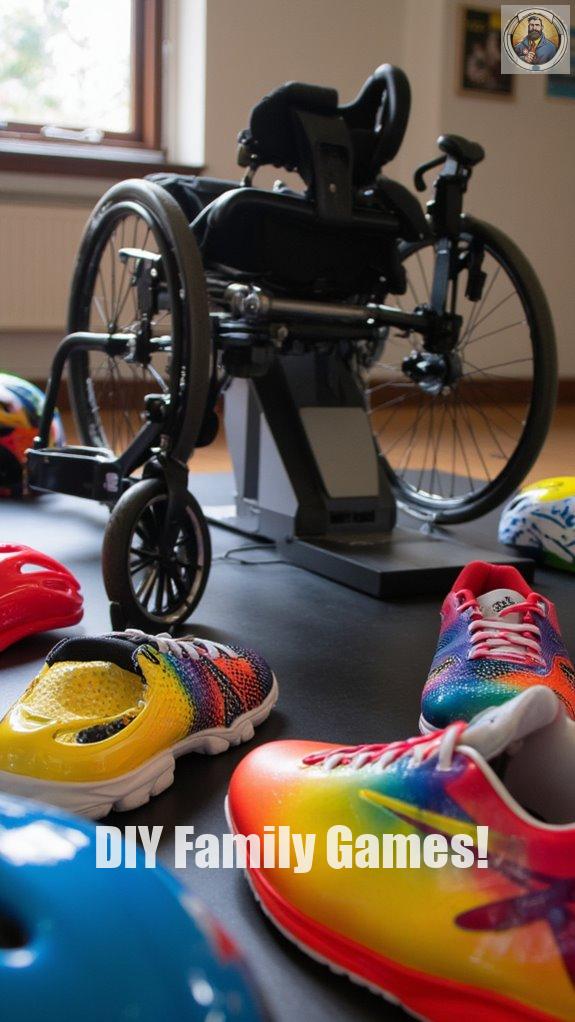
When it comes to crafting custom adaptive sports gear, the magic really starts with precise 3D scanning or measurement.
Think about it: no more guesswork with measuring tapes!
With scans that capture every curve and contour, your gear will fit like a glove—literally. Custom solutions like custom shoes improve comfort and performance, ensuring every athlete can reach their potential. A modern approach to parenting emphasizes the importance of involvement and support, which can inspire athletes to push their limits.
Imagine a customized racing wheelchair seat that hugs you better than your grandma!
Plus, the right fit means fewer blisters and more victories.
So, whether it’s shoes that won’t let you down or helmets that don’t wobble like your Uncle Bob, 3D scanning transforms sports gear into a game-changer.
Get ready to release your inner athlete!
Use CAD Software for Design Optimization

Sure, let’s explore the exciting world of CAD software for designing adaptive sports gear!
Using CAD, I can optimize my designs with predictive simulations and biomechanics, which is kinda like having a crystal ball but way cooler. With parametric CAD tools, I can simulate movements and fine-tune gear for ultimate efficiency. This allows me to leverage human-in-the-loop optimization to enhance usability and effectiveness in my designs. Additionally, integrating empathy-driven design principles can help create gear that truly meets the needs of all users, fostering a deeper understanding of users’ experiences.
Here’s a quick table to highlight some perks:
| Benefit | Description | Example |
|---|---|---|
| Predictive Simulation | No experiments needed, just intuitive designs! | Knee exoskeletons |
| User Optimization | User-specific adaptations for enhanced performance! | Wheelchair dynamics |
| Pressure Mapping | Tailor comfort by analyzing pressure zones! | Custom padding |
Now, let’s dive deeper!
Choose Appropriate Materials for Your Sport
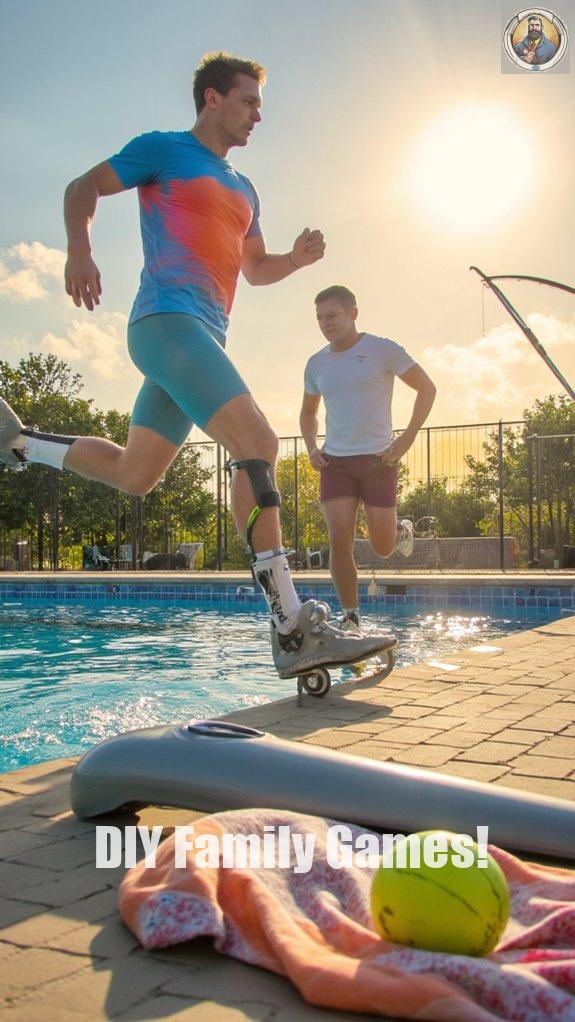
Choosing the right materials for adaptive sports gear can be a game-changer, literally!
It’s like picking the right pizza toppings—get it wrong, and your whole experience might be unappetizing.
So, what materials should you consider? Here’s a quick list:
- Carbon Fiber: Light and flexible for sprinting—we’re talking speed!
- Silicone: Perfect for swimming prosthetics, reduces water drag. No one wants to be the slowpoke.
- Aerospace-grade Aluminum: Strong and light for those archery and cycling adventures.
- Breathable Fabrics: Because nobody enjoys sweat-soaked gear. Yuck!
Employ Suitable Additive Manufacturing Techniques
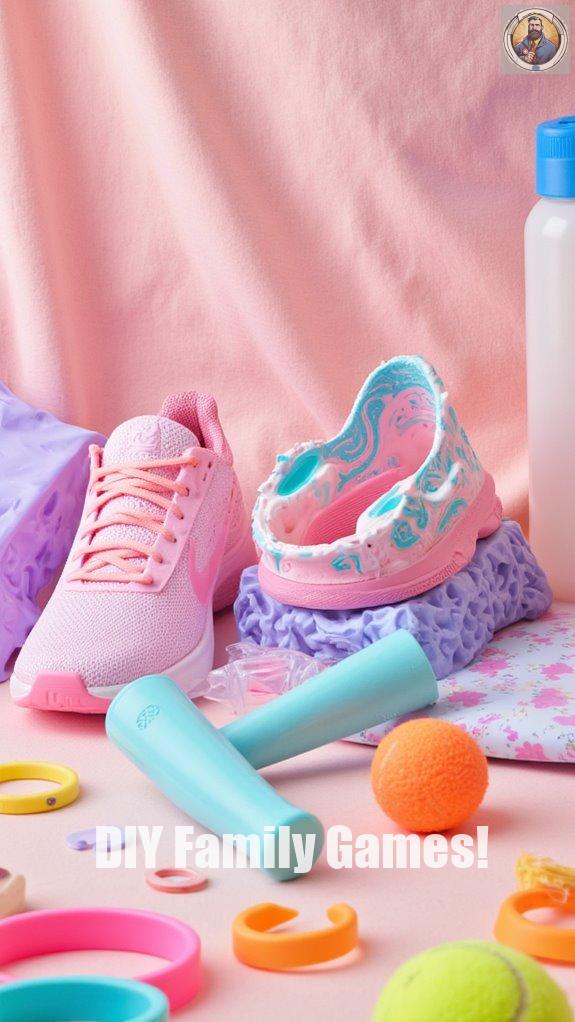
While many people might think that just having the latest sports gear is enough to stand out, the real magic happens when we combine innovative techniques like additive manufacturing.
Seriously, it’s not just a fancy term.
Check out these cool benefits:
- Mass customization for your unique shape. Forget one-size-fits-all—bye-bye blisters!
- Perfectly fitted gear like mouthguards and footwear for comfort and performance.
- Complex shapes and lightweight designs that’ll make your competitors jealous.
Additive manufacturing isn’t just science; it’s your ticket to sporting versatility!
Incorporate Structural Design Elements

How can we make adaptive sports gear even better?
Let’s spice it up with structural design elements!
Here’s what I recommend:
- Reinforced tubing joints for durability that laugh in the face of stress.
- High-performance aluminum that’s as light as a feather, but stronger than your Aunt Margie’s Thanksgiving turkey!
- Replaceable components for easy fixes — because who doesn’t love a touch of DIY?
- Adjustable seating to fit every body type, making it the customizable pizza of sports gear!
With these tweaks, your gear can be as sporty as it’s snazzy. Additionally, consider integrating features that enhance accessibility to ensure that all kids, regardless of ability, can participate and enjoy inclusive play opportunities.
Let’s keep rolling on this adventure!
Prototype Rapidly and Test Iteratively
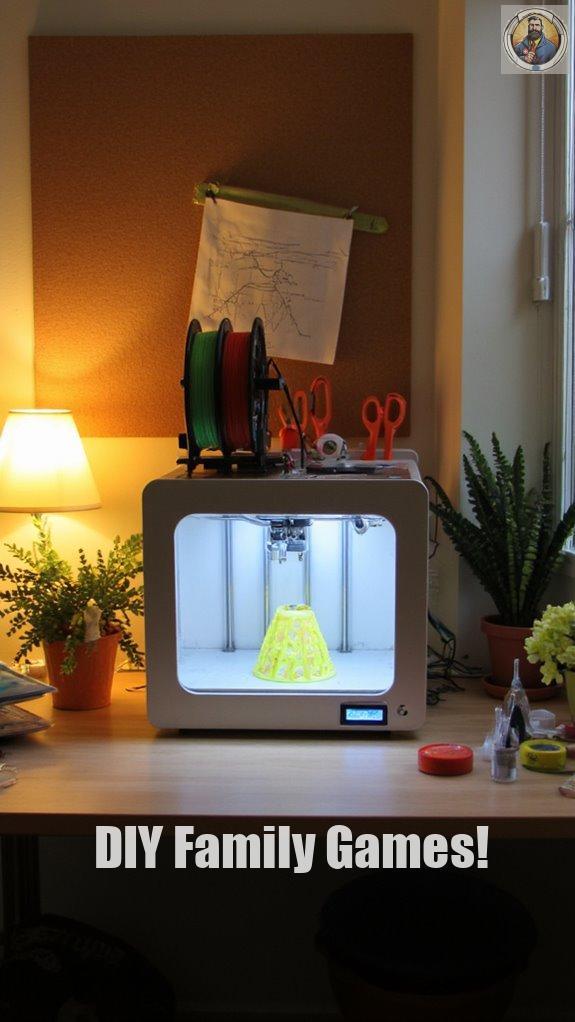
When you’re diving into the world of adaptive sports gear, getting your prototypes just right is absolutely essential.
Think of it like baking cookies: you gotta taste-test and tweak the recipe until you get your sweet spot! Here’s how to whip up effective prototypes:
| Step | Action | Result |
|---|---|---|
| Define Goals | Identify what works or doesn’t | Focused development |
| Rapid Prototyping | Use 3D printing, my friend | Fast results |
| Athlete Testing | Gather feedback from real users | Improved design |
Let’s face it: no one likes soggy cookies! Happy prototyping! Regular testing can also help to alleviate stress relief methods and ensure you meet the athletes’ needs effectively.
Consider Modular or Detachable Features
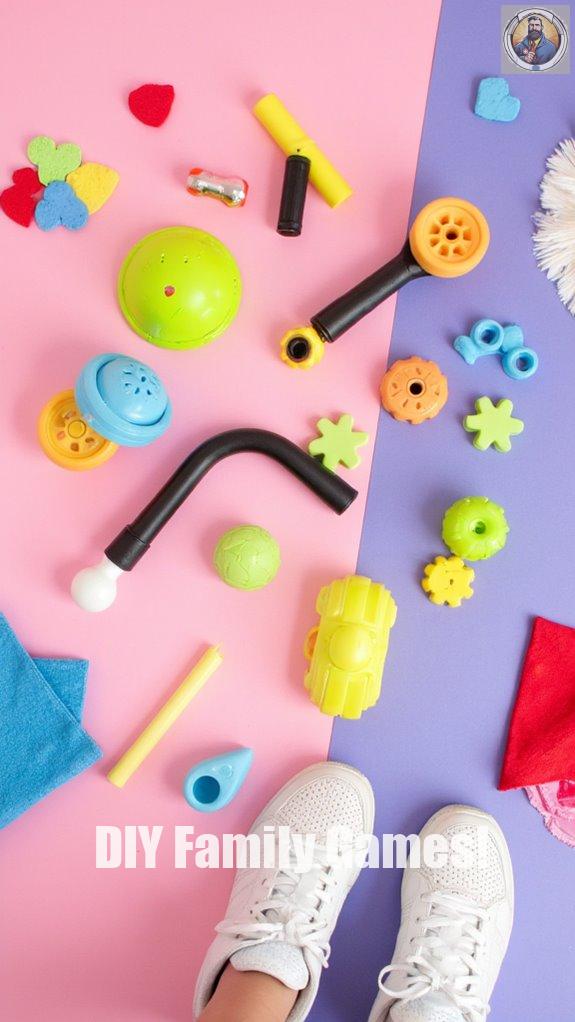
Modular or detachable features can really revolutionize adaptive sports gear for athletes of all abilities!
Think about it—who wouldn’t want gear that adapts as quickly as you can say, “I need a snack!”?
Here are four reasons to ponder:
- Quick customization—because your needs change faster than your socks.
- Easy storage—no one likes lugging a giant bag around.
- Multi-sport versatility—swap attachments like you change shoes!
- Improved hygiene—because who wants to smell like last week’s workout?
Seriously, embracing modular design is the way to go, allowing you to mix, match, and improve your game! Additionally, incorporating simple sports equipment crafts can encourage kids to engage creatively while making their gear.
Leverage Low-Cost 3D Printing Options

While you might think adaptive sports gear is locked behind a hefty price tag, let me introduce you to a game-changer: low-cost 3D printing!
Seriously, who wants to drop thousands on gear when you can print it for a fraction of the cost?
Here’s why this matters:
- Need a new prosthetic? Print it!
- Custom fit? You got it!
- Repairs? Do it on-demand!
This tech opens doors for disabled athletes like my kids Emily and Liam, making sports accessible and fun!
Partner With Engineers or Utilize Community Resources
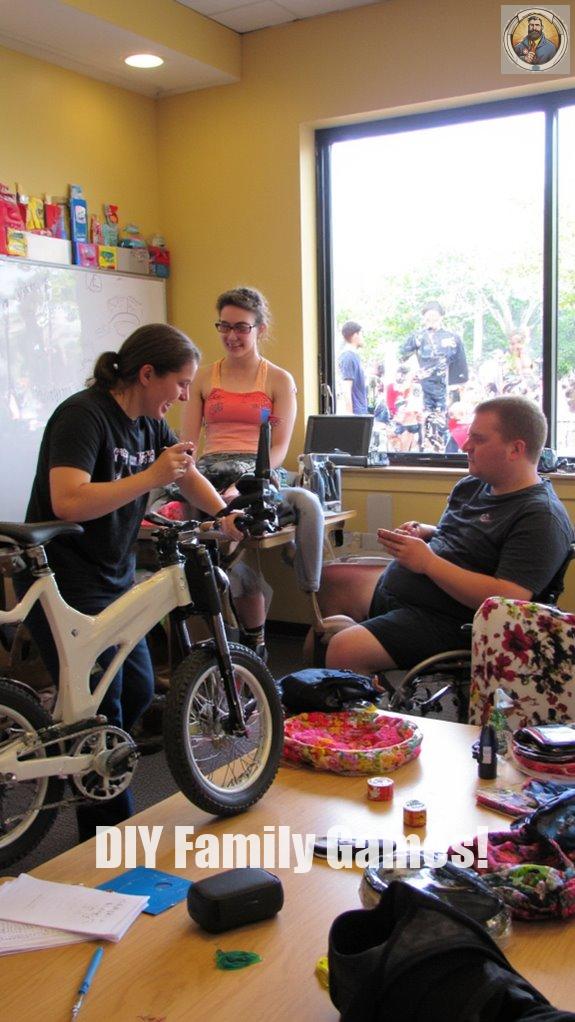
To truly transform adaptive sports gear, tapping into engineering expertise and community resources can be a game-changer.
You’d be surprised how much help’s out there! Here’s what I’ve gathered:
- Collaborate with engineers – They just love to make things work, like a magician, but with math!
- Join forces with local nonprofits – They’re like the superheroes of adaptive sports, always ready to save the day!
- Partner with universities – It’s a win-win for students looking to impress and athletes needing gear.
- Use community events – Where else can you prototype and compete at the same time? Talk about multitasking!
Adaptive Sports Equipment Fabrication

When it comes to creating adaptive sports equipment, the magic truly lies in the details, right?
Think of 3D printing as your personal gear genie. With techniques like SLS and FFF, you can whip up custom designs tailored to every athlete’s anatomy.
Don’t forget lightweight carbon fiber for prosthetics—it’s like having a superhero sidekick!
And if impact resistance and ventilation are your jam, optimized lattice structures are a game-changer.
Why not scan a mouth for a custom-fit mouthguard?
With 3D printing, we’re outsmarting high costs, making adaptive gear accessible!
Let’s craft cool gear that’ll have competitors wondering how we’ve upped our game!
Father-Son DIY Sports Challenge

There’s something special about teaming up with your kid for a DIY sports challenge that really amps up the fun and bonding experience.
Trust me; it’s like being in a buddy cop movie—only with fewer car chases.
Here are some hilarious ideas to get you started:
- Create a homemade obstacle course that’ll make you question your sanity.
- Craft personalized foam fingers for that totally realistic championship vibe.
- Design themed workout sessions where you scream “Go, Go, Go!” like cheerleaders.
- Develop unique sports apparel that’ll make your friends laugh—or raise eyebrows.
Now, go release your inner sports-loving dad!
How to Build Homemade Adaptive Sports Equipment

Building homemade adaptive sports equipment can trigger your creativity and make a world of difference in the lives of athletes with varying abilities.
Think PVC pipes—affordable, durable, and the perfect backbone for your next great sports invention.
Use foam pool noodles for padding, gear ties for security, and release your inner carpenter!
Here’s how to start:
- Measure twice, cut once.
- Prime and cement those joints like a pro.
- Test your invention and adjust for stability.
Remember, it’s about fun and independence!
Your DIY project could help someone score the winning goal—and hey, you might just win “World’s Best Dad” points!
Questions and Answers
What Types of Sports Benefit Most From Custom Adaptive Gear?
I think wheelchair basketball and adaptive skiing really shine with custom gear. It’s like giving athletes superpowers! Who wouldn’t want a personalized sit-ski that practically drives itself while you’re dodging snow bunnies? It’s epic!
How Long Does It Take to Print a Custom Sports Item?
When it comes to printing custom sports gear, it usually takes anywhere from a few hours for simple stuff to a full day for the complex ones. Let’s just hope it’s faster than my workout routine!
Is Professional Help Always Necessary for Designing Adaptive Gear?
Picture a fish trying to ride a bicycle—it’s humorous, right? While pros bring valuable expertise to adaptive gear design, a DIY spirit can sometimes swim upstream. So, no, professional help isn’t always a must!
What Are Common Pitfalls When Creating DIY Adaptive Sports Equipment?
When I create DIY adaptive sports gear, I often trip over pitfalls like funky designs, cheap materials, and forgetting to ask users for input. It’s like bringing a spoon to a knife fight—totally unhelpful!
Can 3D Printed Gear Be Used in Competitive Sports Events?
Can 3D printed gear be used in competitive sports? Absolutely! It’s lighter, faster, and custom-fitted—just like my workout shorts after a pizza night. So, yes, let’s race, innovate, and laugh our way to victory!
Summary
In the world of adaptive sports gear, creativity and resourcefulness go hand in hand.
By embracing these tips, you can transform dreams into reality with just a bit of effort.
Whether you’re scanning, designing, or building gear alongside your kids, keep in mind that each project is a step toward empowering others.
So let your passion shine, and don’t be afraid to challenge yourself—because, like any great athlete knows, the only limits are the ones we set for ourselves.
Let’s get crafting!
References
- https://sportstechnologyblog.com/2021/07/30/additive-manufacturing-making-a-difference-in-sports/
- https://minesmagazine.com/14485/
- https://publish.illinois.edu/digitalmaking2017/3d-printing-a-game-changer-for-sporting-good-industry/
- https://www.numberanalytics.com/blog/adaptive-sports-equipment-ultimate-guide
- https://amfg.ai/2024/09/11/additive-manufacturing-a-game-changer-for-sports/
- https://www.geekbuying.com/geekgiz/2024/08/how-3d-scanners-are-changing-the-game-in-the-olympics/
- https://contrive3d.com/blogs/news/revolutionizing-the-game-how-3d-printing-is-transforming-the-sports-industry
- https://store.3dmakerpro.com/blogs/3d-scanner/from-concept-to-reality-how-3d-scanning-is-shaping-the-future-of-sports-innovation
- https://sportstechnologyblog.com/2018/03/02/customising-what-athletes-wear-and-use-3d-scanning-and-other-tech/
- https://www.3erp.com/blog/3d-printing-in-the-sports-industry/
- https://pmc.ncbi.nlm.nih.gov/articles/PMC12277215/
- https://art.torvergata.it/retrieve/e291c0d3-c8a8-cddb-e053-3a05fe0aa144/BasketIngegraf.pdf
- https://www.zigpoll.com/content/how-do-you-integrate-durable-sporty-aesthetics-into-your-equipment-design-while-ensuring-ergonomic-comfort-for-athletes-across-different-sports-disciplines
- https://www.aatcc.org/wp-content/uploads/2021/05/Optimizing-3D-Fashion-CAD-Software_Pitch-It-2021.pdf
- https://wepub.org/index.php/IJMEE/article/download/5070/5612/10574
- https://www.asme.org/topics-resources/content/equipment-that-makes-5-paralympic-sports-possible
- https://oregonadaptivesports.org/sports/equipment/
- https://www.vaia.com/en-us/explanations/medicine/occupational-therapy-theory/adaptive-sports-equipment/
- https://www.schoolspecialty.com/physical-education-sport/adapted-pe
- https://www.sculpteo.com/blog/2018/02/28/additive-manufacturing-and-winter-sports-discover-the-best-3d-printed-sport-equipments/


